START OF A GOLDEN AGE FOR TONHALLE-ORCHESTER ZÜRICH

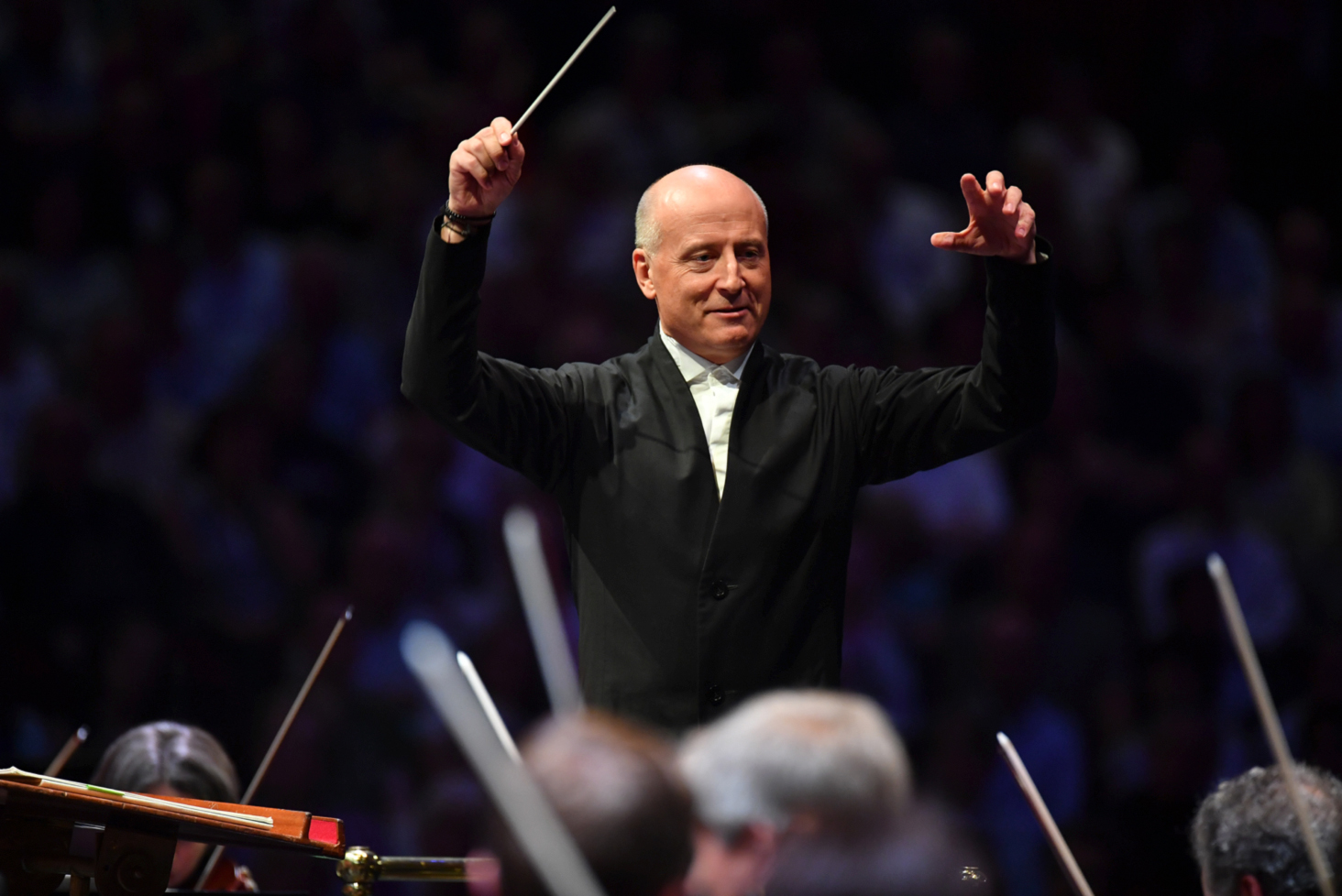
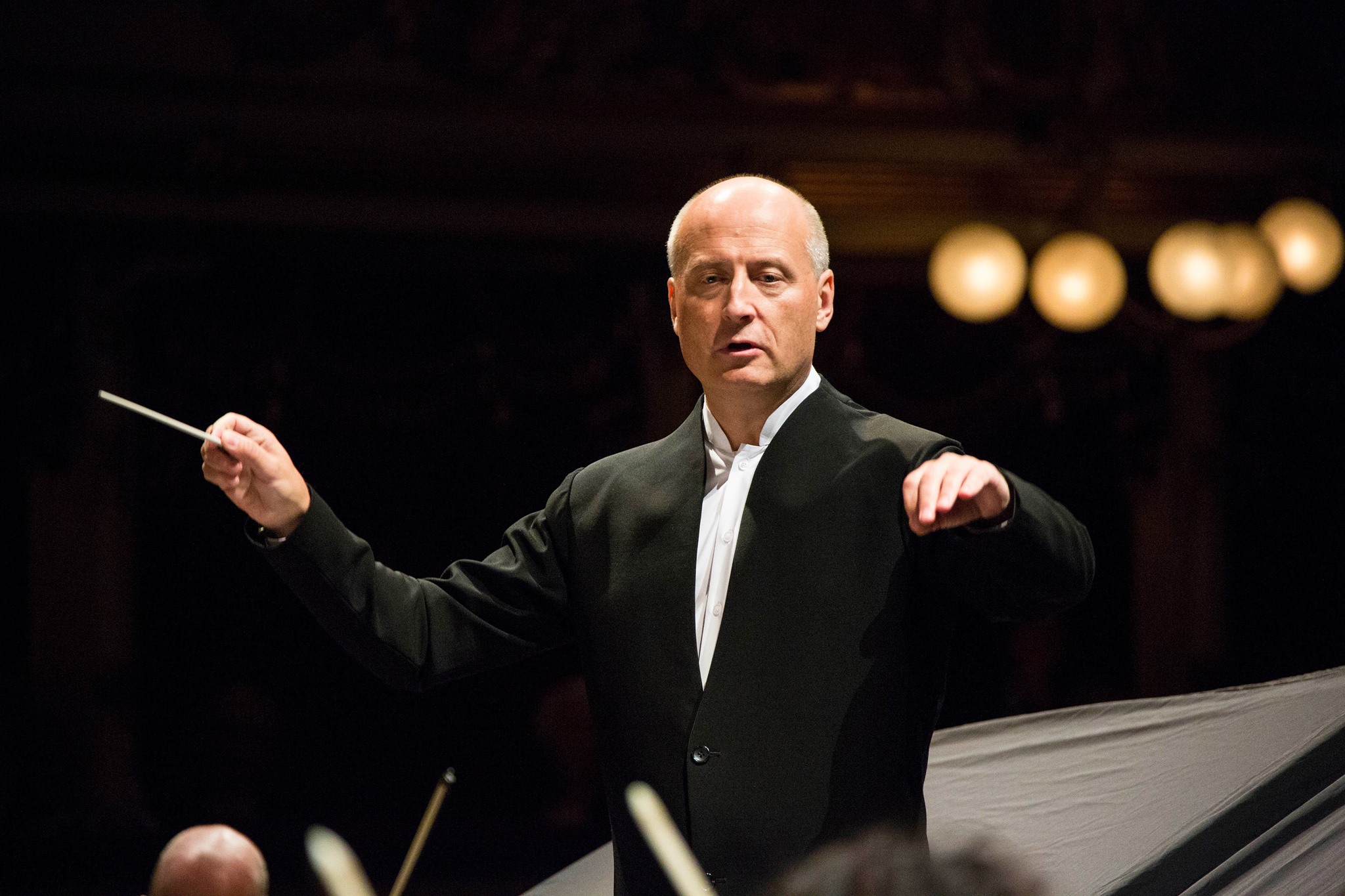
“Officially, Paavo Järvi’s tenure as Principal Conductor and Music Director of the Tonhalle-Orchester Zürich will not commence in less than a year” wrote the Neue Zürcher Zeitung. “But Järvi is already guesting in Zurich in the season 2018/19 with four programs, giving a foretaste of what he hopes to achieve in the future. That’s why the Estonian conductor’s first appearance last wednesday was eagerly awaited, with the character of a de facto debut. The concert hall in Tonhalle Maag was almost sold out, and the Tonhalle Orchestra played with the first set of members. And Järvi – as anticipated – fulfilled the ambitious expectations more than enough, indeed at the end of the concert he was euphorically celebrated by the Zurich audience.”

Praise for Paavo Järvi’s first concerts with the Tonhalle-Orchester Zürich this month were unanimous. Seen and Heard International commented “If this was the first day of his honeymoon with the orchestra, then married life will look rosy, if the cheering after the Mahler symphony was anything to go by … The performance – and the orchestra’s playing – was, in a word, sensational. At the end of the symphony, large sections of the audience (a full house) erupted; the orchestra seemed stunned. Järvi beamed. He could sense he too had made a wise choice … a Golden Age beckons.”

Peter Hagmann wrote “The members of the Tonhalle-Orchester Zürich have not performed so close to the edge of their seats for a long time … And now it is there, the fresh breeze. She has a very fresh effect, and she goes through the orchestra from A to Z – all the way to the administration – Without shyness, Järvi grabs the bull by the horns. He aims at the legacy that David Zinman has left behind. And he shows how things can be different – with Gustav Mahler and Ludwig van Beethoven … A new path is emerging for the Tonhalle-Orchester Zürich. Exciting how it will go on.”

And Bachtrack.com commented: “The famous Adagietto (of Mahler 5) wove the richest possible orchestral tapestry, and highlighted both a celestial harp and the slightly restrained pacing that fills the listener with the thrill of anticipation … the Estonian’s command of the huge configuration was superb, and his rapport with the group seemed as amenable as it was supportive. Expectations are always great on the occasion of a conductor’s new posting, as well they should be. The Zurich public and the Tonhalle’s audience look forward to the Järvi era.”

Following his current performances with the Berlin Philharmonic, Paavo Järvi reunites with the Tonhalle-Orchester Zürich at the end of the month for a tour of Asia which includes concerts in Beijing, Shanghai, Taipei and Seoul.

OPUS KLASSIK AWARD FOR BRAHMS SYMPHONY NO.2 & OVERTURES

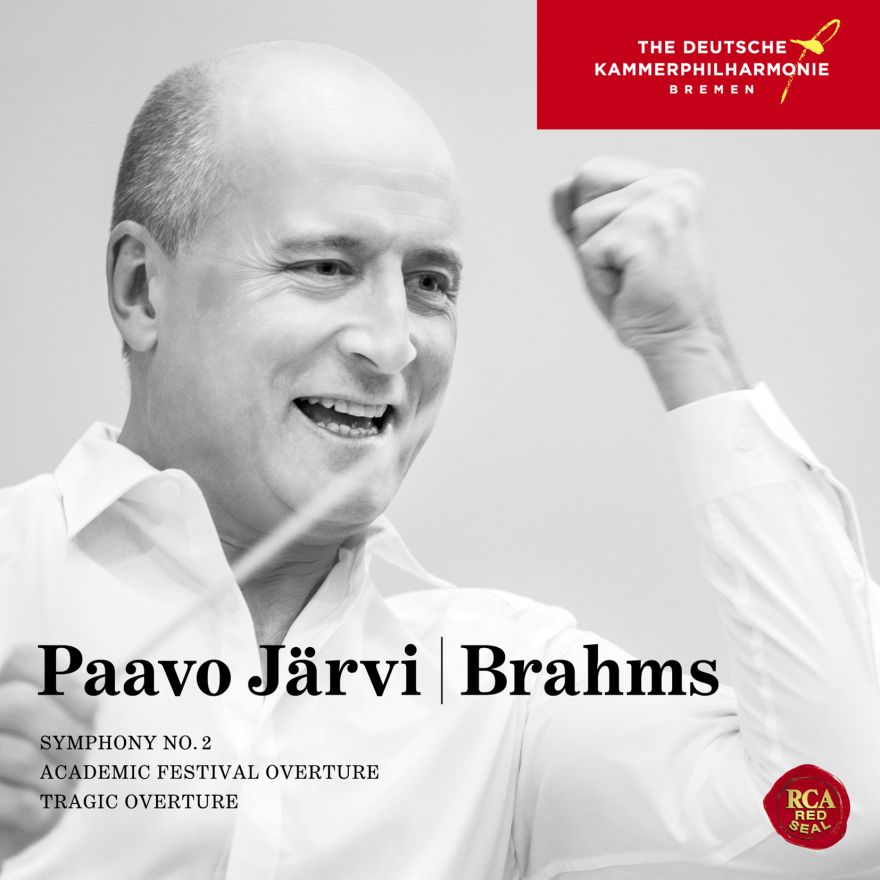
Paavo Järvi and the Deutsche Kammerphilharmonie Bremen’s first recording in their complete Brahms Symphony cycle has won Germany’s Opus Klassik Award in the category “Symphonic Recording of the Year (music of the 19th century)”. The Opus Klassik Award is the new award for classical music in Germany (succeeding the former ECHO-Klassik) and the winning discs are selected by a jury of Germany recording industry experts. The ceremony takes place on Sunday 14 October at Konzerthaus Berlin and will be broadcast nationwide on ZDF TV at 22.15 (CET). Volume 2 of the Brahms cycle will be released on Sony’s RCA Red Seal label on 4 October.

For more information and tickets to the ceremony, visit www.opusklassik.de

THE ESTONIAN FESTIVAL ORCHESTRA DEBUTS TO CRITICAL ACCLAIM AT BBC PROMS & ELBPHILHARMONIE

Photo copyright: Chris Christodoulou/BBC

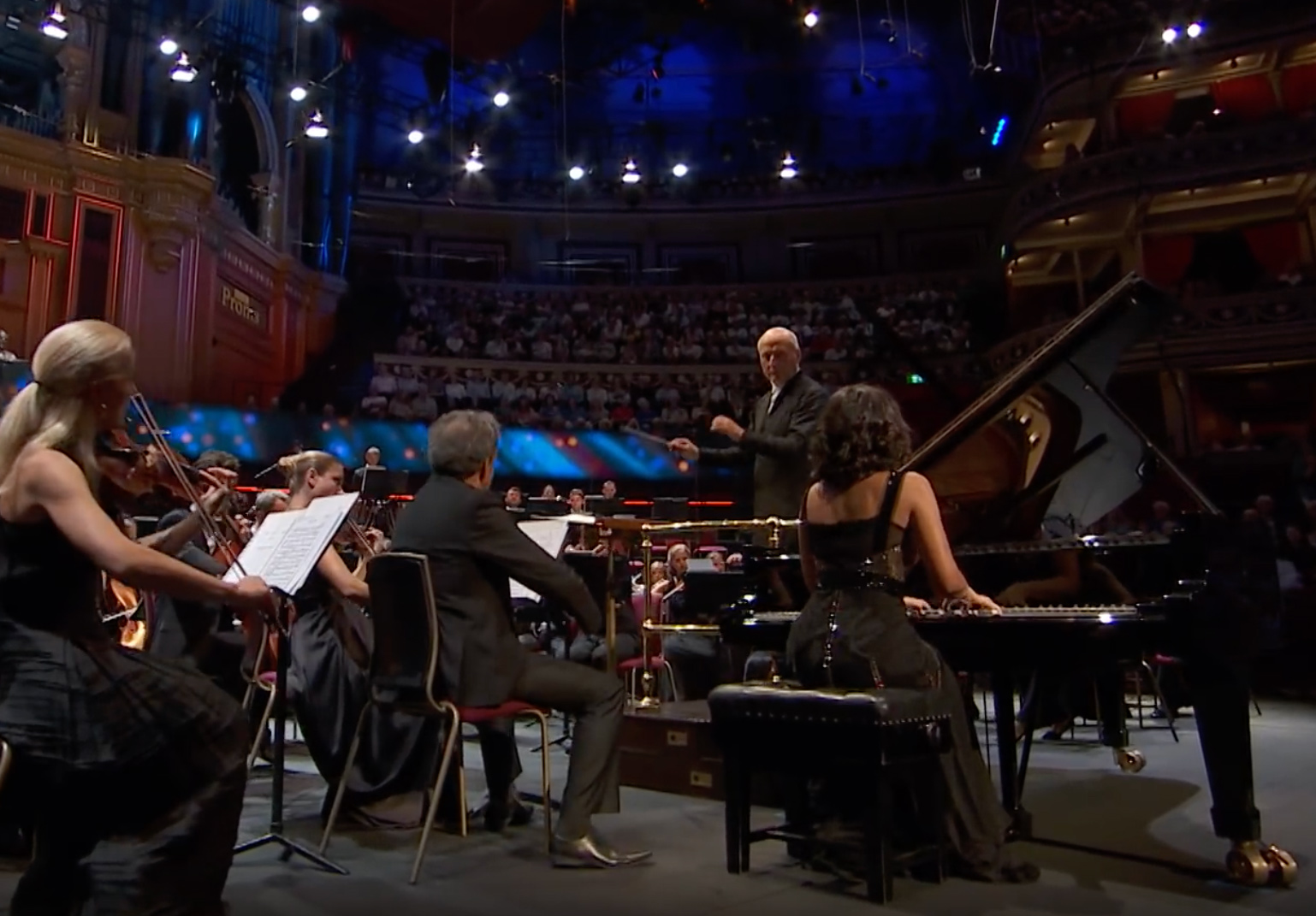
On 13 August – immediately following this year’s Pärnu Music Festival where “unanticipated miracles happen every summer in the quiet paradise of Estonia’s seaside capital” (theartsdesk.com) and “a tranquil bathing place is making a world career” (Frankfurter Allgemeine Zeitung) – Paavo Järvi and the Estonian Festival Orchestra travelled to London to make history with the ensemble’s debut at the BBC Proms. The special performance celebrated both Estonia 100 and the first ever occasion that an Estonian orchestra performed at the world famous British festival. The Royal Albert Hall concert, which sold out within days of going on sale, was broadcast live on both BBC Radio 3 and filmed by BBC TV to air on 17 August (BBC Four). Two days later the Estonian Festival Orchestra made their Hamburg debut following another unprecedented invitation to perform at the Elbphilharmonie.

“This all-Nordic programme, performed by the excellent Estonian Festival Orchestra under one of the most admired conductors of the day, Paavo Järvi, has long promised to be one of this season’s special Proms.”
The Guardian

“In his sure hands, and with the support of this strikingly impressive orchestra, this was a programme that both ravished the ear and exercised the mind”.
The Arts Desk

The Estonian Festival Orchestra opened its programme with a performance of Arvo Pärt’s eclectic Symphony No.3. “In a precise performance of a complex, mysterious piece, Järvi and his players captured the seething menace that repeatedly erupts alongside the threat of stasis” wrote The Evening Standard. “This was an excellent choice of home produce for the Proms debut of Paavo Järvi’s seven-year-old Estonian Festival Orchestra” commented The Times. “They gave it a committed performance … scrupulously sculpted, polished and placed. On the platform at the end, Pärt received a hero’s welcome with rapturous applause.” The concert was brought to a dramatic close with Sibelius’s stiring Symphony No.5, of which Bachtrack commented: “some performances of Sibelius’ mighty Fifth Symphony are hewn from granite or sculpted from marble. The Estonians’ account was carved from pine, crisp and fresh, surging with energy and athleticism … Invigorating stuff and the highlight of the evening”. The centre work of the evening was “an exciting performance of Grieg’s evergreen Piano Concerto” (bachtrack) with “the irrepressible Georgian pianist Khatia Buniatishvili” (The Times) in which “the beating heart of the performance arrived with the adagio, where she conjured up a radiant, sunset stillness perfectly offset by the Estonians’ gorgeous strings” (theartsdesk.com).

After their appearance at the BBC Proms, Hamburg’s Elbphilharmonie was the next venue for Paavo Järvi and the Estonian Festival Orchestra, where again Khatia Buniatishvili was the soloist for Grieg’s Piano Concerto. “Now the ensemble has found its firm place in the international concert landscape” wrote bachtrack.com. “Despite its young history, there is already a tradition of focusing on Estonian and Scandinavian compositions in the program, which was also the case in this concert.” The Hamburger Abendblatt especially highlighted the Sibelius performance for comment: “Quite different is the fifth symphony of Jean Sibelius. Paavo Järvi uses wide-ranging gestures to model the rotating motifs, the rugged breaks and endless arcs of the piece. Here, the festival orchestra – composed of Estonian young talent and handpicked musicians from all over the world, with whom Järvi has already worked as a conductor – has a very special tone. It is dark, homogeneously mixed and slender, but when it comes down to it, it also unfolds a deep inner glow … a musical and emotional highlight of the evening.”

The Estonian Festival Orchestra’s debut at the BBC Proms and Elbphilharmonie follows an extraordinary year in which the ensemble has also charted debuts across Europe including Stockholm (Berwaldhallen), Brussels (Bozar), Berlin (Philharmonie), Vienna (Konzerthaus), Zurich (Maag) and Luxembourg (Philharmonie).

For Paavo Järvi, the creation of the Estonian Festival Orchestra is potentially one of his most important musical achievements to date. It is a recognition of his native country and a celebration of its cultural identity within Europe. “This unifying spirit” says Järvi “is what drives the Orchestra and makes me particularly proud as its father figure.”

PAAVO JÄRVI CONDUCTS THE BERLIN PHILHARMONIC “EUROPAKONZERT” ON 1ST MAY FROM BAYREUTH

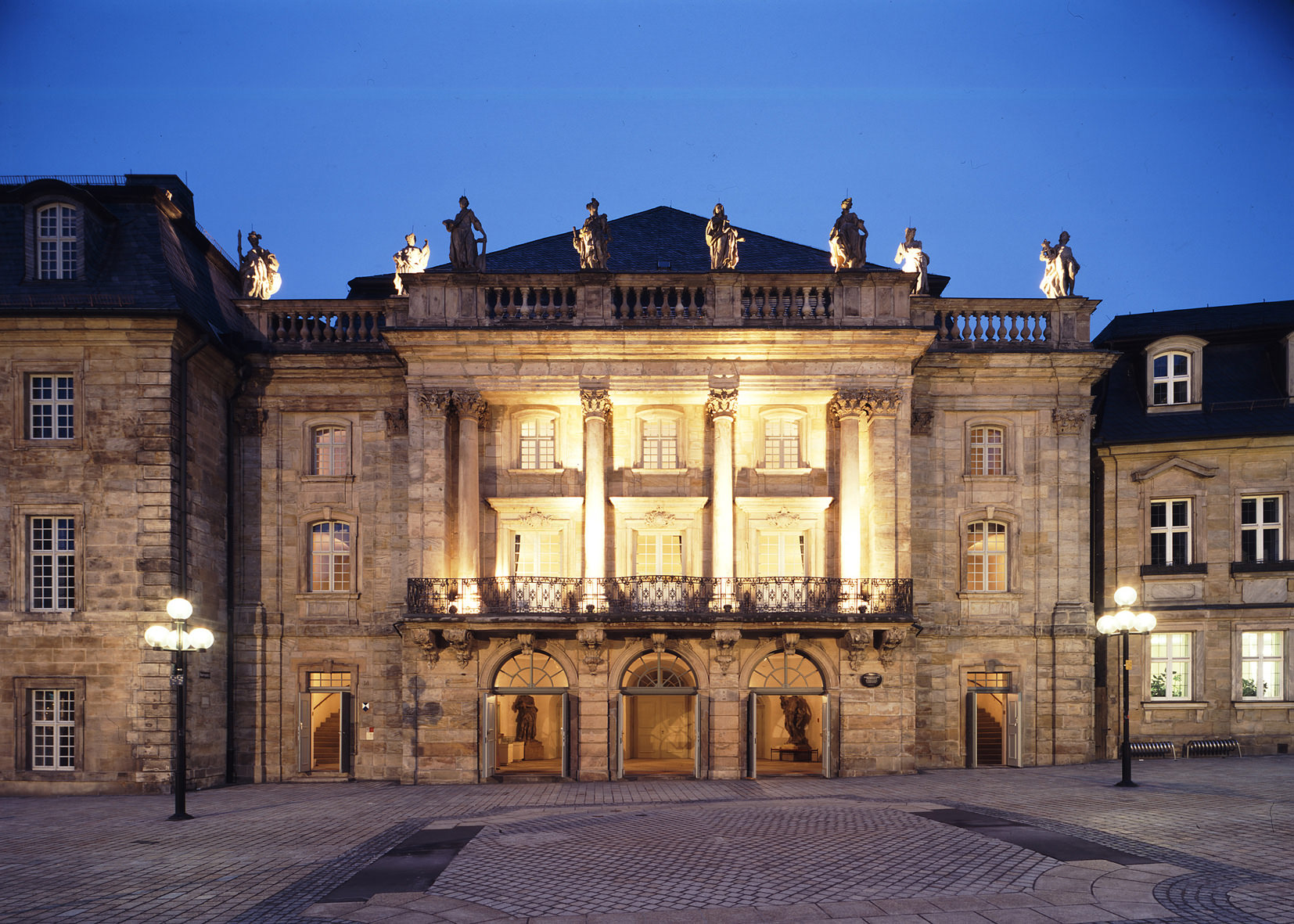
Paavo Järvi has been invited to conduct the Berlin Philharmonic on 1st May for its prestigious European Concert which this year takes place in the newly reopened Margravial Opera House in Bayreuth, recently declared a UNESCO World Heritage site. The event, which has been celebrated annually since 1991, is an important one in the orchestra’s calendar and is broadcast live on both the Berlin Philharmonic’s digital platform and Germany’s ARD at 11.00 on 1 May. The performance will also be released on DVD and Blu-ray by Euroarts in September 2018. This year’s programme features Beethoven’s Leonora Overture No.3, Wagner’s Wesendonck Lieder with soloist Eva-Maria Westbroek and Beethoven Symphony No.4.

Following the 1st May concert, Paavo Järvi conducts the Berlin Philharmonic for a further two concerts back “home” in the Philharmonie on 5 and 6 May with a programme dedicated to Sibelius and Shostakovich with soloist Janine Jansen. Järvi has conducted the Berlin Philharmonie regularly since his debut in 2000 and led the widely appraised gala concert “50 years German-Israeli Relations”.

PAAVO JÄRVI AND THE ESTONIAN FESTIVAL MAKE HISTORICAL PROMS DEBUT

On 13 August – immediately following this year’s Pärnu Music Festival – Paavo Järvi and the Estonian Festival Orchestra will travel to London for its Proms debut. Not only will this performance be an important debut for the Estonian Festival Orchestra but it also marks the first occasion that an Estonian Orchestra has ever performed at the Proms and will be broadcast on both BBC Radio 3 and BBC TV. The programme features Pärt’s Symphony No.3, Grieg’s Piano Concerto with soloist Khatia Buniatishvili and Sibelius’ Symphony No.5. Together they will perform the same programme at Hamburg’s Elbphilharmonie on 15 August racking up another important debut for the orchestra as its international profile grows at an extraordinary pace.

150 YEARS BRAHMS REQUIEM IN BREMEN

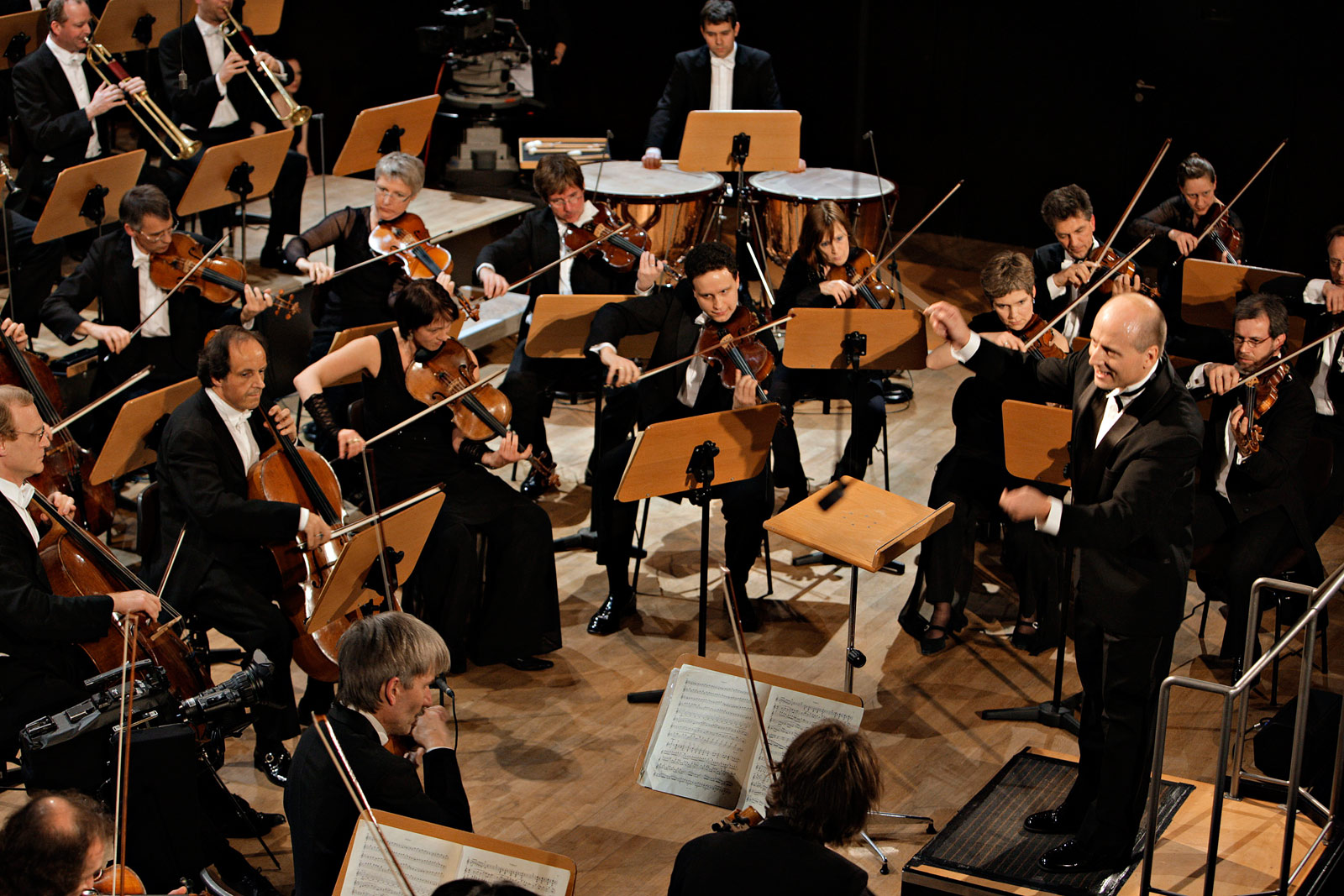
On 10 April Paavo Järvi and the The Deutsche Kammerphilharmonie Bremen will bring the Hanseatic composer Johannes Brahms back “home” to Bremen, with a performance of the German Requiem at the “Bremer Dom”. The special performance takes place exactly 150 years to the day that Brahms himself conducted the world premiere of the Requiem in Bremen’s cathedral. Joining Järvi and The Deutsche Kammerphilhamonie Bremen for this special concert are soloists Matthias Goerne and Valentina Farcas, also the Latvian National Choir – Koris Latvija – which accompanied the orchestra on their most recent tour of Asia. The Hanseatic cities of Bremen and Riga have been twinned for 800 years.

As Bremen’s resident ensemble since 1992, The Deutsche Kammerphilharmonie has a long and close history with the city. Paavo Järvi joined as Artistic Director in 2004 and, in the intervening years, their landmark projects focusing on Beethoven and Schumann have met with international praise. This special performance of the Brahms Requiem, which will be filmed for later broadcast on Germany’s 3Sat TV, plays a central role in the orchestra’s current Brahms cycle.

The Brahms cycle

Paavo Järvi and The Deutsche Kammerphilharmonie Bremen embarked on the Brahms Project in 2015 since which time they have performed the complete symphony cycle in Germany, Tokyo, Vienna, St Petersburg and Canada. Their recent performance of the full cycle in Paris will be broadcast on Medici TV on 9 April on Medici TV. The first CD in the cycle, featuring Symphony No.2, the Tragic and Academic Festival Overtures on Sony / RCA, was released in the Autumn of 2017. The second release follows this Autumn featuring Symphony No. 1 and the Haydn Variations

ESTONIAN FESTIVAL ORCHESTRA FIRST RECORDING

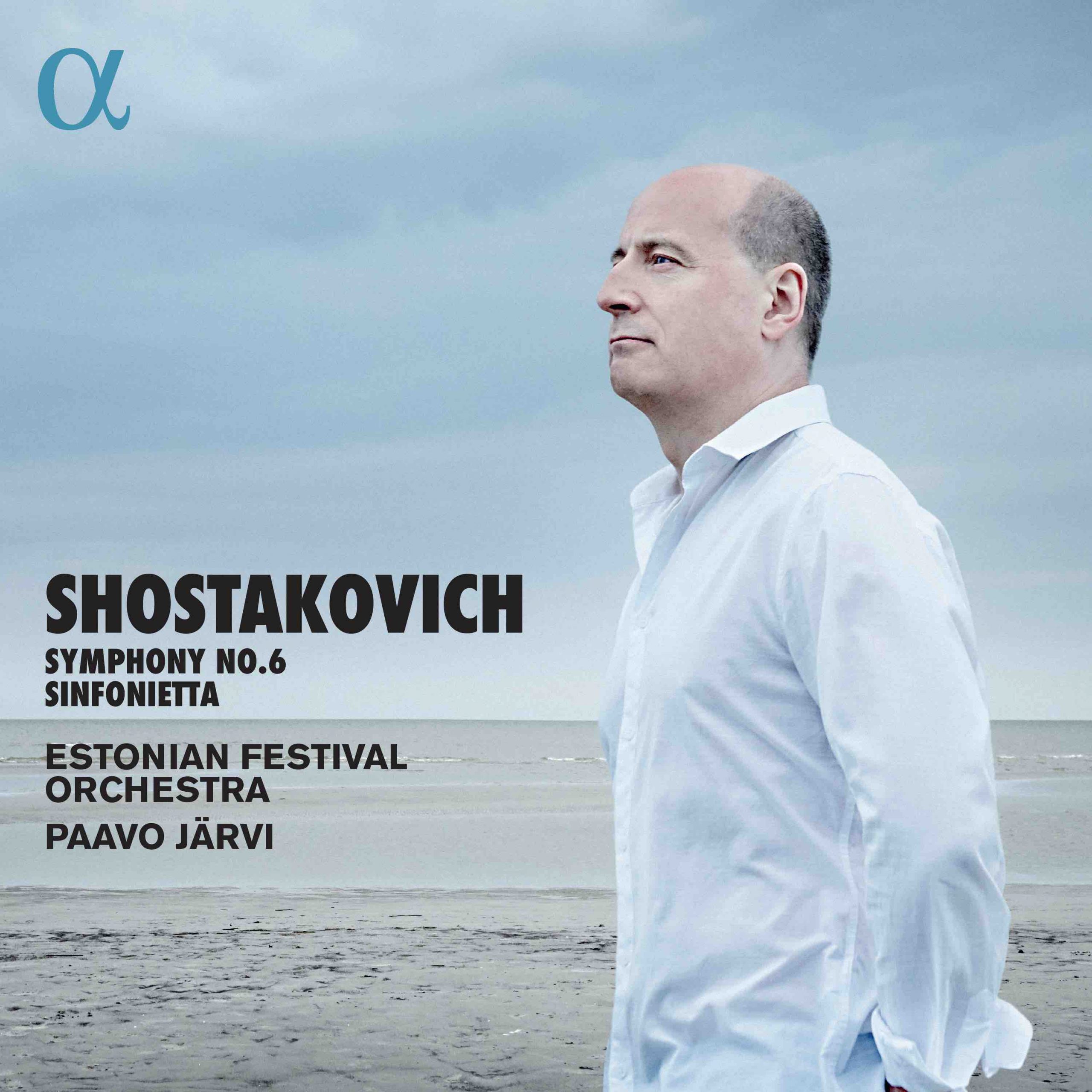
2018 celebrates the 100th anniversary of Estonian Independence and to mark the occasion Paavo Järvi is taking the Estonian Festival Orchestra on its first major European tour in January with concerts in Tallinn, Brussels, Zurich, Cologne, Berlin, Vienna and Luxembourg,  together with soloist, Viktoria Mullova. The orchestra’s debut recording is released simultaneous to the tour on Alpha Classics featuring Shostakovich Symphony No.6 and Sinfonietta, both recorded at the Pärnu Music Festival in Estonia.

GRAMOPHONE FEATURE: “A CONDUCTING DYNASTY”

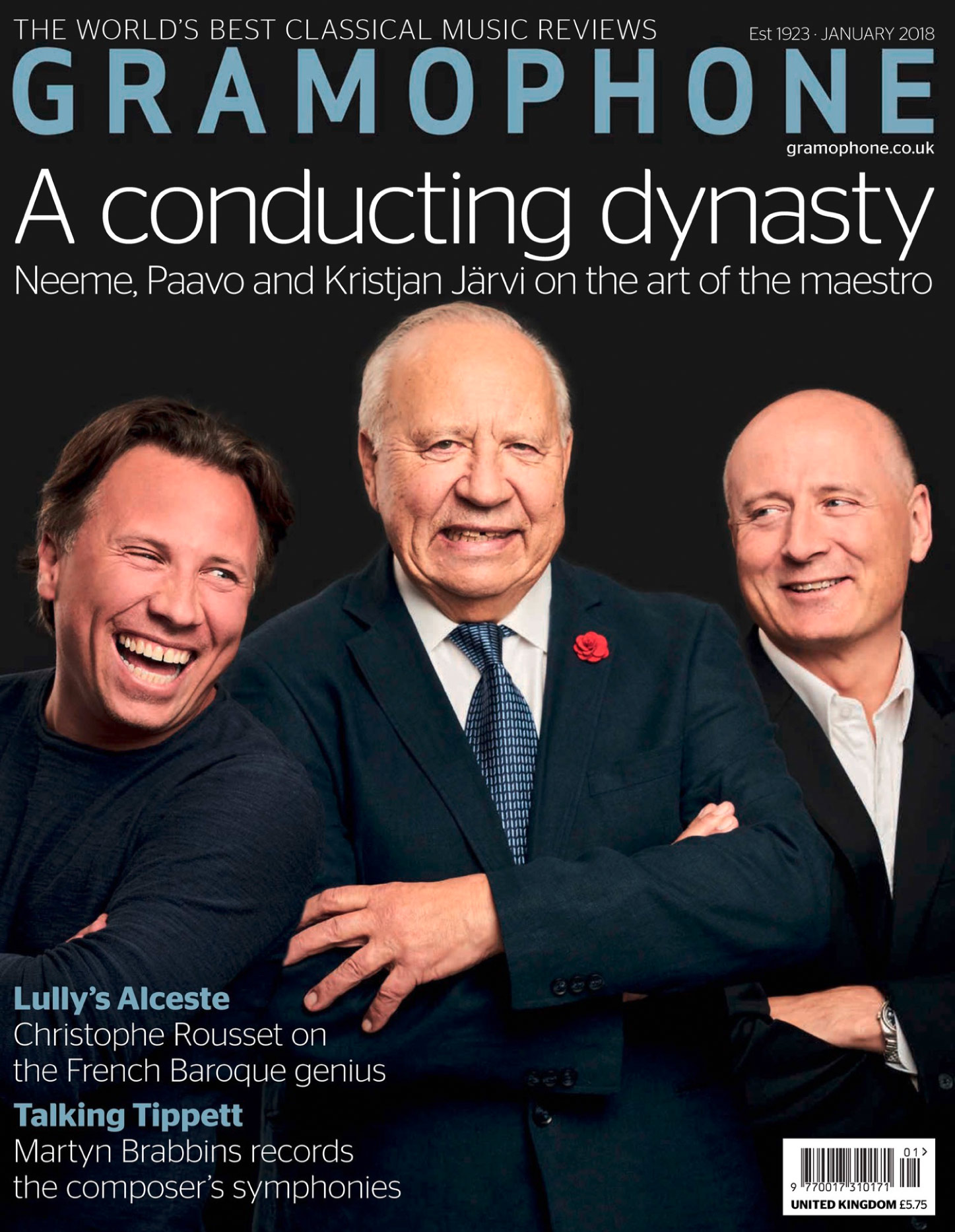
The January 2018 issue of Gramophone celebrates an exceptional conducting dynasty, the Järvi family – Paavo and Kristjan and their father Neeme, who recently celebrated his 80th birthday. Editor-in-Chief James Jolly met with them all to talk about the life of a maestro and the art of recording.

COMPLETE BEETHOVEN CYCLE IN ASIA & FIRST BRAHMS RELEASE WITH DEUTSCHE KAMMERPHILHARMONIE

Paavo Järvi and the Deutsche Kammerphilharmonie Bremen are currently in Asia where they are performing the complete Beethoven cycle in both Beijing and Shanghai. The international success of their Beethoven cycle in concert and on CD has now been followed with the release of their first recording in the new Brahms cycle on the RCA Red Seal label. An equally resounding success across the globe:

“A Brahms revelation” raved the New York Times of a guest performance of the Deutsche Kammerphilharmonie and cheered the “triumphant performance” of the second symphony. As in New York, Paavo Järvi and his orchestra have also celebrated successes in Vienna and Tokyo with their Brahms cycle, before they went to the studio to record the four symphonies. Symphony No.2 is now released on CD … Paavo Järvi and the Deutsche Kammerphilharmonie Bremen model a slim and clear Brahms sound which is already evident in the opening bars of the symphony, when the theme of the horns stands out above the foundation of the deep strings. The horn melody is the prelude to a work in which the sun often shines. Johannes Brahms, then 44 years old, wrote his second symphony in 1877 on vacation at Lake Wörth. The lovely landscape and the friendly climate have, so it seems at least, left their mark on the music. This is felt by Järvi and his orchestra, when they breathe deeply together and allow themselves time before they enjoy the bright sound of the violins. It flows as fresh and pure as a light summer breeze.”   NDR Radio

“Paavo Järvi and the Deutsche Kammerphilharmonie Bremen toured the Brahms symphonies before they recorded Symphony No.2 in the spring of 2015 at Kurhaus Wiesbaden. They used this familiarity with every angle of the score for an interpretation that gives space to spontaneous ideas and it therefore has a very organic, breathing and lively effect … Järvi penetrates deep into the musical and emotional meanings of the score. He reveals a dense motivic network and a wealth of subtle changes of color and mood … creating a slender and moving Brahms sound.”   Deutschlandfunk

Brahms’ Symphony No.2 is also “one of the eternal brutes that flies through our Philharmonic and Tonhalle. The second provides everything that we expect from Brahms: autumnal melancholy, the wretched sound of the horns, the slackness of the strings and trumpets, memorable melodies, grand climbs, and this specific element of the “evolving variation,” which Schönberg regards as essential to Brahms’ Sinfonik considered. Of course the market is saturated with many good recordings. You can stop with the great George Szell, the unbeatable Günter Wand, the discoverer John Eliot Gardiner. Karajan was always a very, very good Brahms interpreter. Bernstein pounced on Brahms and poured all his heart blood into it … Now comes Paavo Järvi and, with the Deutsche Kammerphilharmonie Bremen, he tells the story of this piece as a chamber music composition, the layers of which, as it were, create a symphony … This Brahms is alive, bright, no old master, but a fire-head, which at the same time broadened Beethoven’s principles and filled it with new life.”   Rheinische Post