VOTE FOR PAAVO AS GRAMOPHONE’S “ARTIST OF THE YEAR”

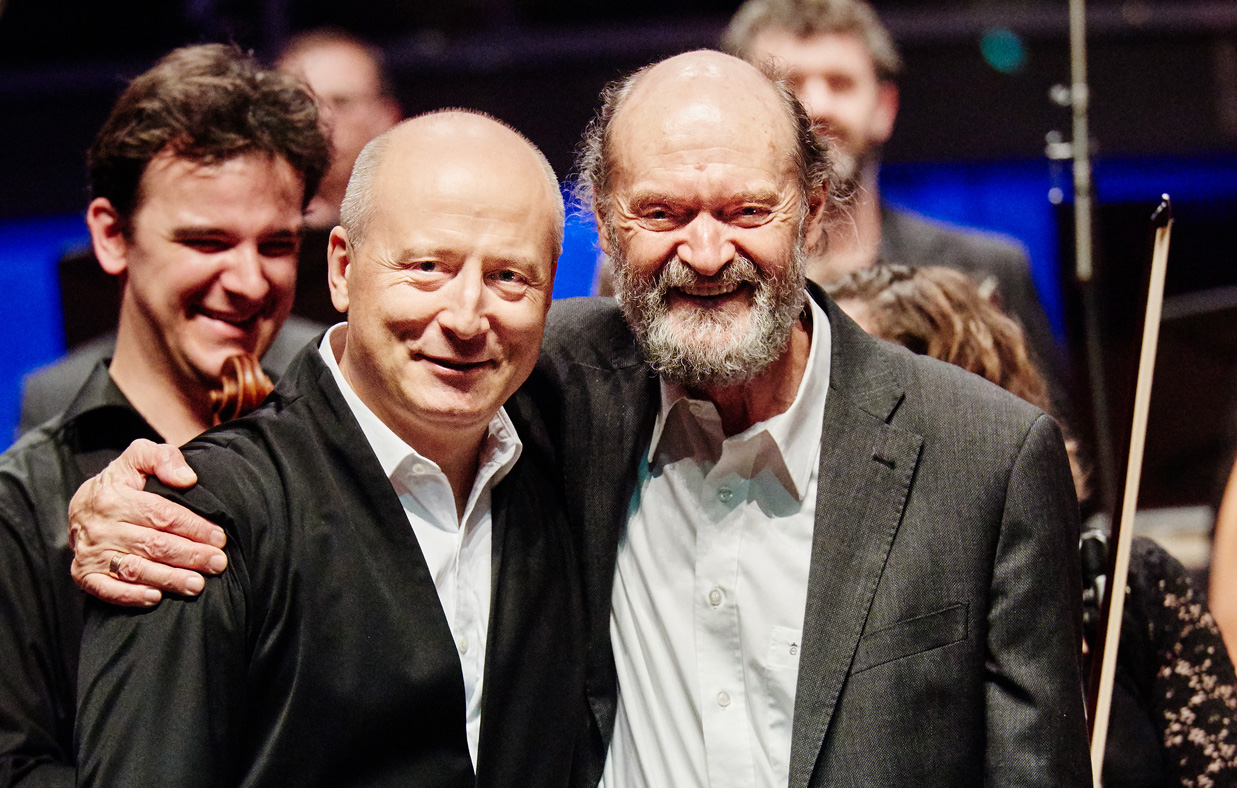
Paavo Järvi has been nominated for the highly prestigious “Artist of the Year” by the jury of the 2015 Gramophone Awards. Who will win depends on the public’s vote which opened this week and closes on July 31. The winner will be announced at the London ceremony on September 17. To vote for Paavo click here

Selected alongside 9 other outstanding musicians who have “enriched music-making the most over the past year” Gramophone wrote “Possibly the most recorded of today’s top-rank conductors, Järvi’s musical sympathies remain as wide and questing as ever. Recent discs reveal not just Järvi’s musical breadth but also the number of recording companies seeking his services.”

SHOSTAKOVICH CANTATA TEXTS

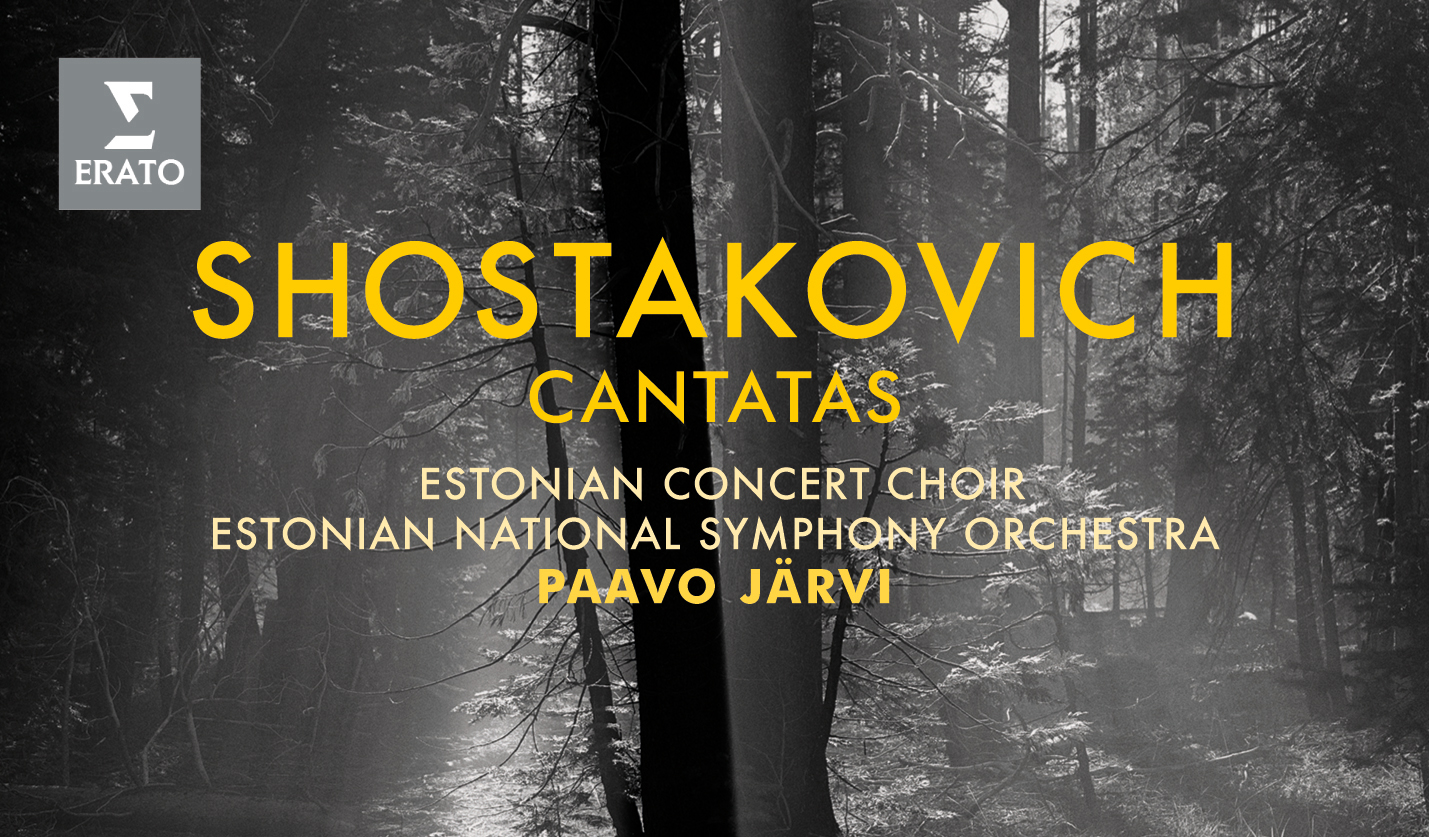
Following recent coverage of Paavo Järvi’s new release of Shostakovich cantatas, recorded live in Tallinn in 2011, several people have commented on the fact that the original texts are not included in the booklet. The original intention was to include all the texts but they were removed before going to print on the request of the Shostkakovich Estate as they were deemed to be too sensitive to history.

As Paavo commented in interview with The Guardian and again on BBC Radio 4’s Today Programme on 16 May:

“I have grouped these three of Shostakovich’s cantatas together on one disk which has never been done before – two of them are very pro-Soviet and one is very critical of the Soviet system. Through these pieces, Shostakovich’s music tells the terrifying story of that time and I think that story is only truly effective if it is honest and not modified according to the fashions and political waves of the time. People should confront this uncomfortable part of history.

“What I didn’t realise when I first began the project is that we would now be dealing with the same situation with Russia as we were after communism collapsed. Right now we are witnessing something that nobody expected which is the rise of a totalitarian regime again. So I think the biggest mistake is not to acknowledge and not to deal with the past. Changing Shostakovich’s texts does not change or erase what happened. If we ignore it, history will repeat itself again, as we are already seeing happen.

“At that particular concert in Estonia (in 2011), the house was completely packed and everybody who sat in that audience probably had a father or grandfather or uncle or aunt, or somebody close who died in Stalin’s gulags. So when they heard the texts which glorified the communists, that must have been a nightmare. I completely understand that. I was afraid and a little uncomfortable looking at the audience and the orchestra for that matter because I identify exactly what they were feeling. But it was also very important and I stand by it.”

NEW SHOSTAKOVICH RECORDINGS HIGHLIGHT COMPOSER’S AMBIGUITY

As the long awaited new recording of Shostakovich Cantatas is released this week on the Warner label, the Wall Street Journal interviews Paavo about his decision to perform and record works written by the composer under Soviet regime pressure.

Coinciding with the CD’s release, Paavo is in Germany this week to conduct three concerts with the Berlin Philharmonic (14, 15 and 16 May) featuring works by Shostakovich and his contemporary, Prokofiev.

SHOSTAKOVICH WITH BODYGUARD

In an extensive interview with Paavo Järvi published this week, Gramophone Magazine writes “In the current political climate of unease about Russia’s expanisionist intentions, the decision by an Estonian-born (if now American) conductor to make an Erato recording of three Shostakovich patriotic cantatas might seem provocative, and the enterprise was not without its snags.”

“Paavo Järvi pays homage to Stalin” read the headlines of Tallinn’s newspapers in April 2012 and, following this declaration, the conductor was issued with a bodyguard for the performances and recording.

Shostakovich Cantatas is released by Erato on 11 May (15 May Germany, Switzerland and Austria).

The programme features the cantata, The Execution of Stepan Razin, which is rife with unflattering comparisons between the violence and barbarism of 17th century Tsarist Russia and the communist regime of the 20th century. Featuring alongside the cantata are The Sun Shines on our Motherland (1952) and Song of the Forests (1949) both of which are obviously socialist realist compositions written under Soviet repression.

As Gramophone goes on to report “His use of Estonian children’s and adult choirs together with the Estonian National Symphony Orchestra in works extolling the virtues of communism and Stalin did not meet with universal tolerance, especially as Järvi reports that Estonians are already storing up tinned food and other non-perishables against a possible Russian incursion. “I had to sign a paper saying that the choir wasn’t inciting a revolution.” He refers to the works’ musical topicality of Russia’s “returning to the regimentation” that Shostakovich himself endured.”

“Shostakovich wrote the cantata in 1964, two years after I was born. Historically, that is just yesterday. The concept behind this CD was to show the starkly different realities of one great composer’s life: needing to compose music in his own homeland while being unable to create freely due to the censorship and terror of its totalitarian regime. How does an artist cope with being forced to live a double life? Where is the line between the moral and immoral, acceptable and unacceptable, patriotic or hypocritical? These fundamental issues are as relevant today as they were in Stalinist Russia.”

Paavo Järvi

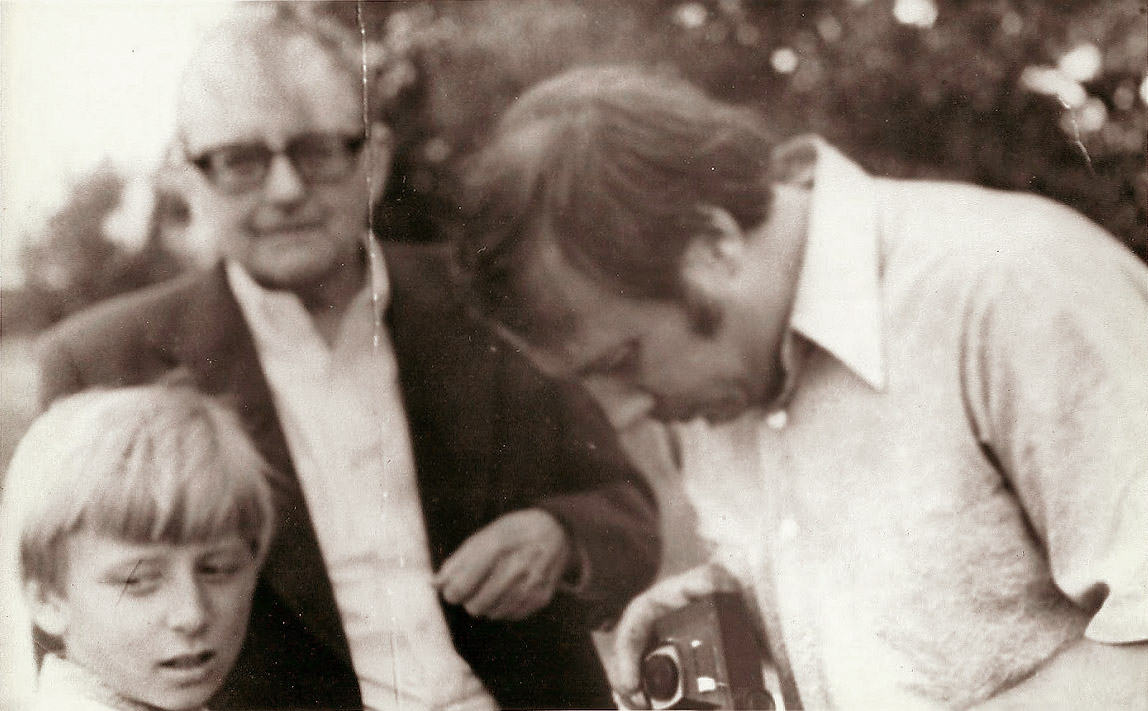
Paavo Järvi was born in Estonia in 1962 and grew up in a musical household where his father, Neeme Järvi, had already carved out an international career. It was the era when Estonia was still a Soviet State and life as a musician was controlled both at home and abroad. As a young boy Paavo remembers his father returning from foreign trips with suitcases full of LPs – forbidden fruit from the West – which the family would listen to for hours at a time together. And he remembers a visit by Shostakovich in 1973 which is documented in the family photo album.

“Arvo Pärt and I left for the West in 1980. I premiered his work Credo, which as the name implies is a profession of faith. This was in 1968. The authorities were in an uproar. They fired the symphony’s music director the next day. The country was completely locked up. It was a total KGB system. But the year we left was the same year the Soviet Union invaded Afghanistan and they were trying to show the world they weren’t so awful. If they let a few artists immigrate this could help their image.”

Neeme Järvi

Photo: Dmitri Shostakovich with Paavo and Neeme Järvi in 1973. © Järvi Family

GRAMOPHONE INTERVIEW

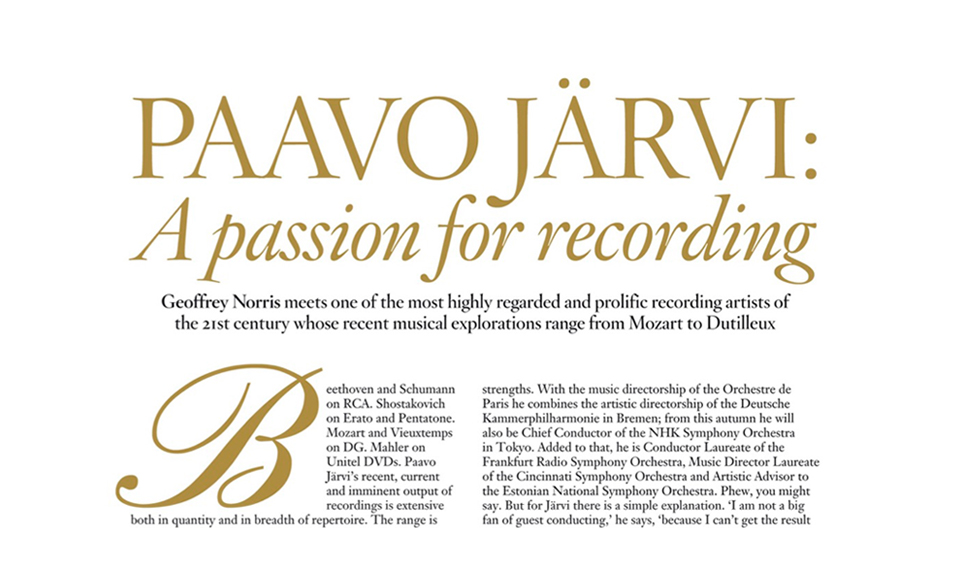
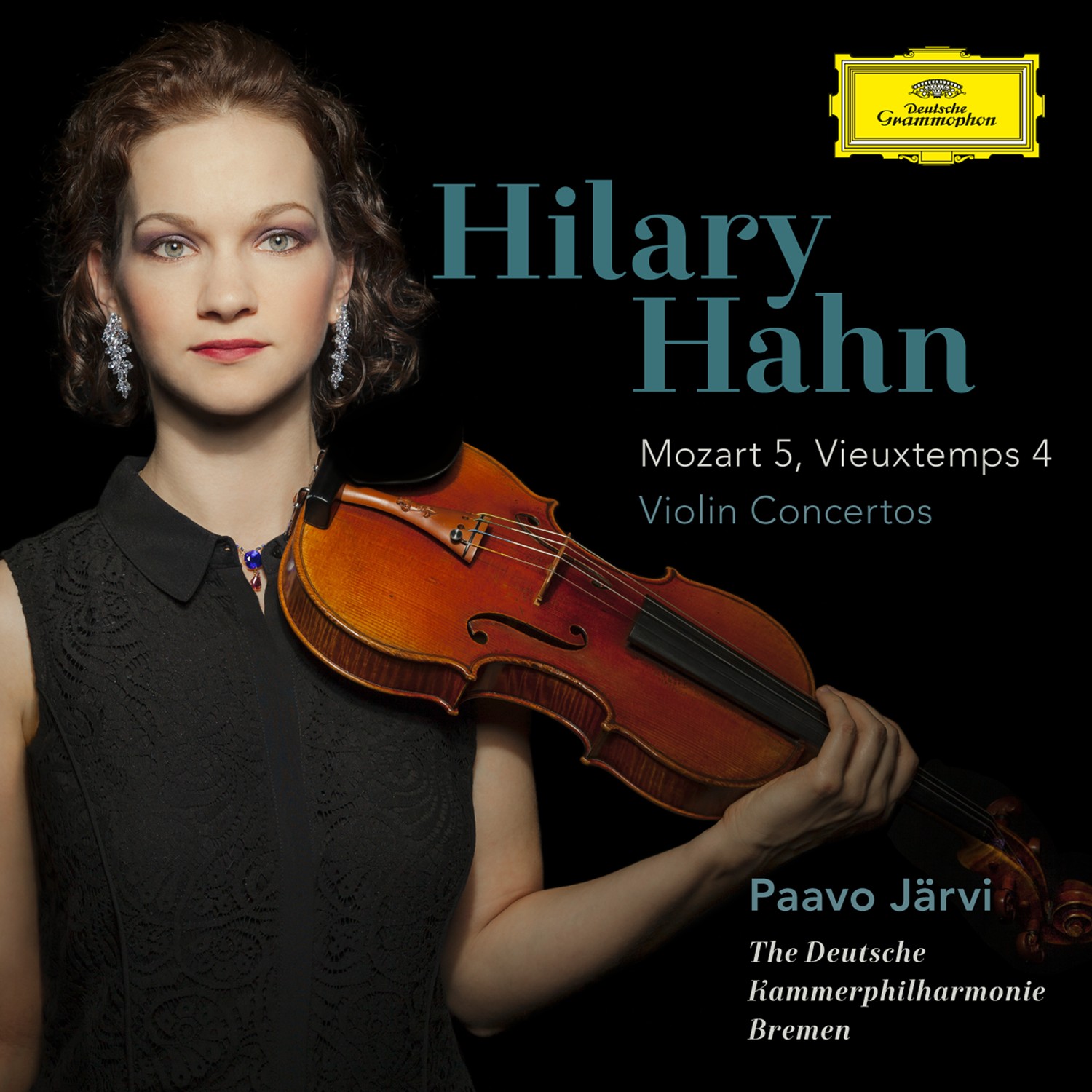
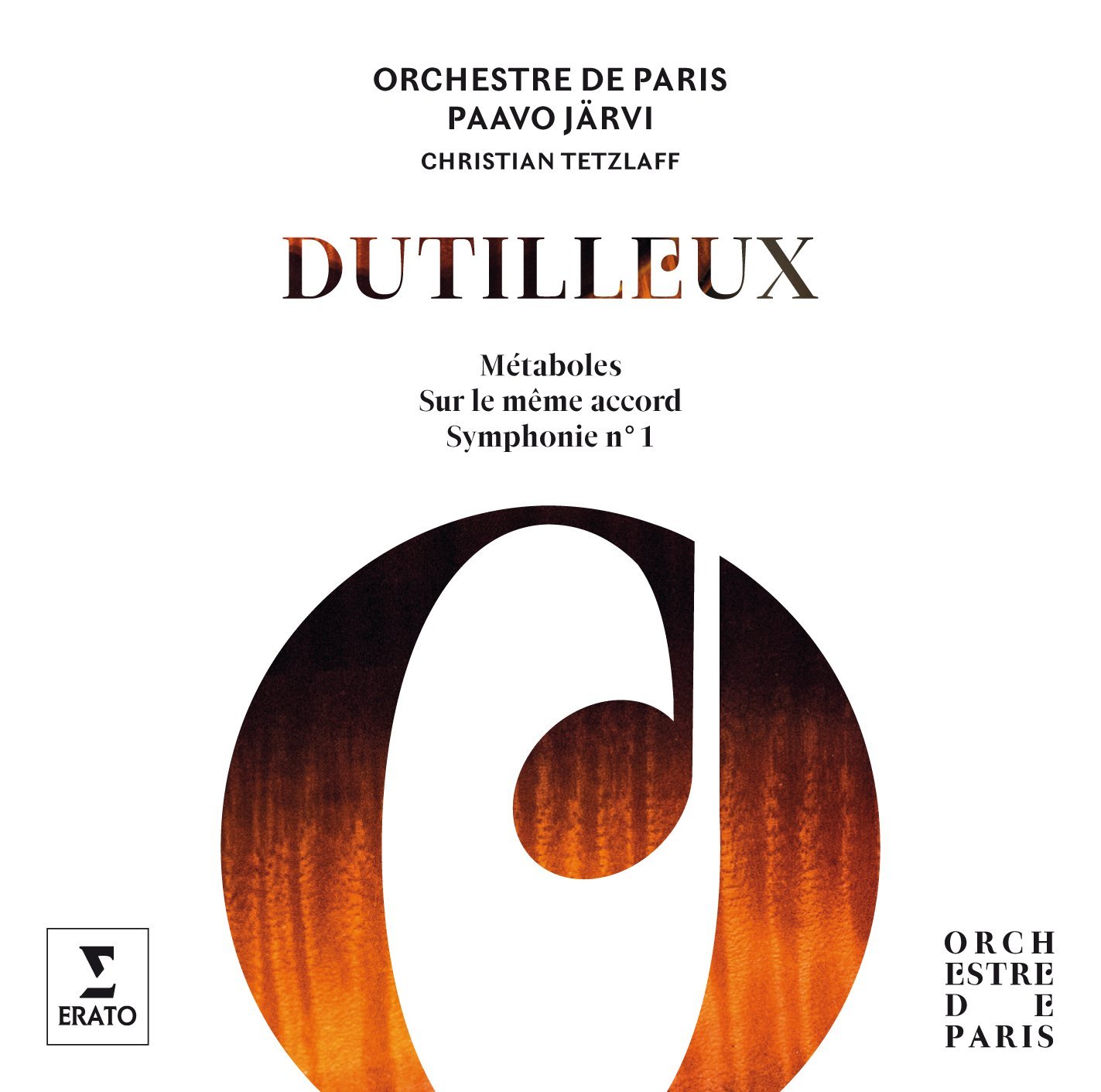
The May issue of Gramophone Magazine features a three page special interview with Paavo and his passion for recording. “At a time when some other conductors seem to be focusing their recording activity on single-composer projects or on big landmark ventures, Järvi is bucking the trend in the catholicity of his tastes and the way in which he views recording as an integral part of his daily musical life … One of the key factors behind his diversity of programming is that he is associated with so many different orchestras that have their own traditions, their own sounds, their own strengths.”

“CURIOUS AND INSPIRED”

Following his success conducting Nielsen in London, Paavo Järvi opened his Munich Philharmonic guest conducting dates this week with the same composer’s overture to the opera “Maskarade”. Reviewing the performance the Süddeutsche Zeitung commented “Even today such an important and original composer as the Dane, Carl Nielsen, receives too little attention on the German concert scene. Some of his symphonies are played, but the comic opera “Maskarade” premiered in 1906 is never encountered here. She is something of a national opera in Denmark. Even the overture shows how much wit and surprise there is in Nielsen’s music. Paavo Järvi, not just the busy chief conductor in Bremen (Deutsche Kammerphilharmonie), Paris (Orchestre de Paris) and Tokyo (NHK Symphony Orchestra), but also a welcome guest with orchestras around the world, now offered this work with the Munich Philharmonic as a virtuoso piece for large orchestra.”

Following Nielsen, Paavo’s programme took us to the heart of Russia with Tchaikovsky’s Violin Concerto, Stravinsky’s “Scherzo fantastique” and Shostakovich’s Symphony no. 1 leading the Süddeutsche Zeitung to to pay tribute to an “inventive, elegant and multicolored” programme in which “Paavo Järvi is so well versed – always curious and inspired.” Performing the Tchaikovsky with soloist Joshua Bell, SZ concluded “At the end there was tremendous applause. And rightly so. Both artists were completely at the height of their art.”

Audiences in Munich can catch Paavo’s last concert tonight in Gasteig, after which he makes his way to Austria for performances with the Vienna Symphony Orchestra commencing on Sunday.

NIELSEN BROUGHT TO LIFE

Paavo Järvi returned to London last week to conduct the Philharmonia in the second of four concerts dedicated to the symphonies of Carl Nielsen. The Guardian’s review headline read “Järvi Järvi tames Nielsen’s wild masterpiece. An awesomely executed performance of Nielsen’s fourth symphony sat alongside perfectly pitched Haydn and sparkling Beethoven.”
Seen and Heard International wrote “Järvi and the Philharmonia captured the white heat of the opening movement presenting us with an uncontained maelstrom of sound. Järvi synthesised the composite elements into a seamless organic whole, bringing out the angularity of the writing and feelings of disquiet in the more reflective material. Nielsen’s sonic and harmonic shocks, rhythmic asymmetries and unusual textural collages were all brought thrillingly to life … This was great playing from Järvi and the Philharmonia – and it’s good to see these wonderful symphonies by Carl Nielsen receiving so much public exposure.” Classicalsource.com also gave the performance a full thumbs up commenting “ This was a concert to make one realise why one keeps coming back for more.”

CRIMINALLY UNDERVALUED BEETHOVEN CYCLE

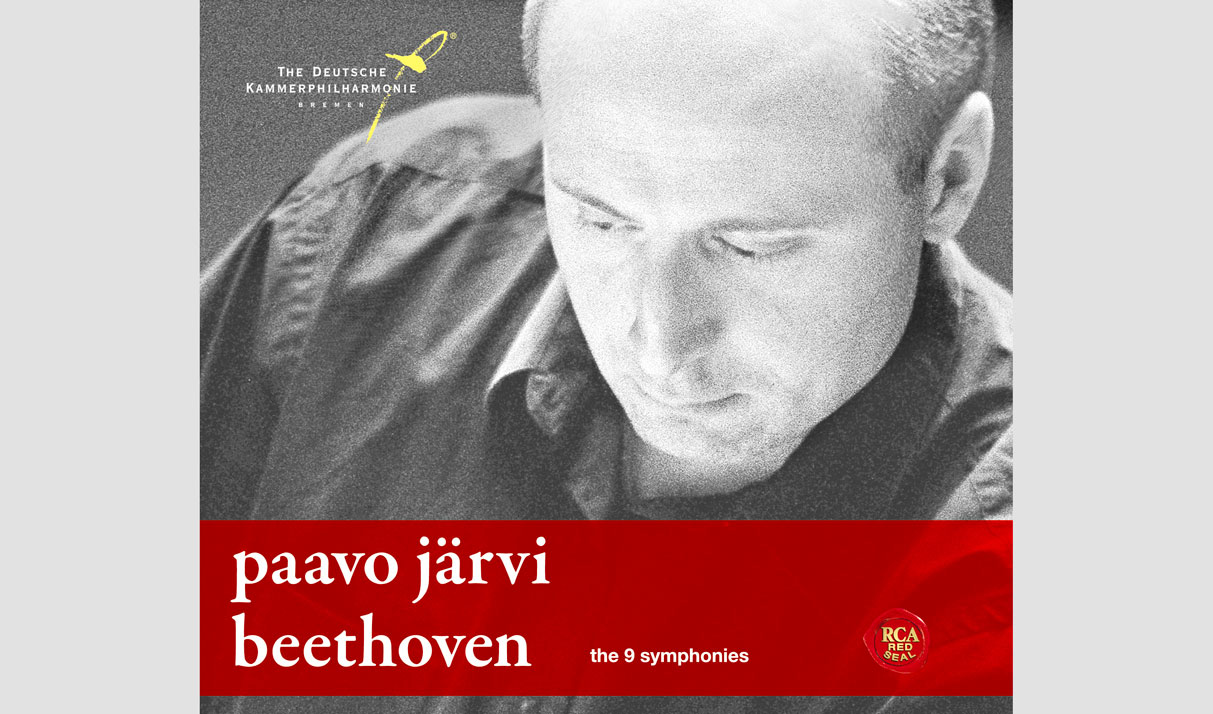
“We’re overrun with decent, historically informed Beethoven cycles, and one of the very best remains criminally undervalued in the UK.  I’m referring to RCA’s recent set with Paavo Järvi and the Deutsche Kammperhilharmonie.  The individual SACDs can still be found, but they’re not yet available as a cut price box. No matter – they’re essential purchases, even on separate, full price discs. Järvi never disappoints, his performances are consistently dramatic, humane and sensationally played.  This disc of overtures, several recorded back in 2010, is predictable fine – a tasty postprandial mint to be enjoyed after digesting the meatier symphonies … Buy this, be impressed, then treat yourself to Järvi’s Beethoven symphonies.”

Graham Rickson, Theartsdesk.com