PAAVO JÄRVI ANNOUNCES THE PROGRAMME FOR THIS YEAR’S PÄRNU FESTIVAL

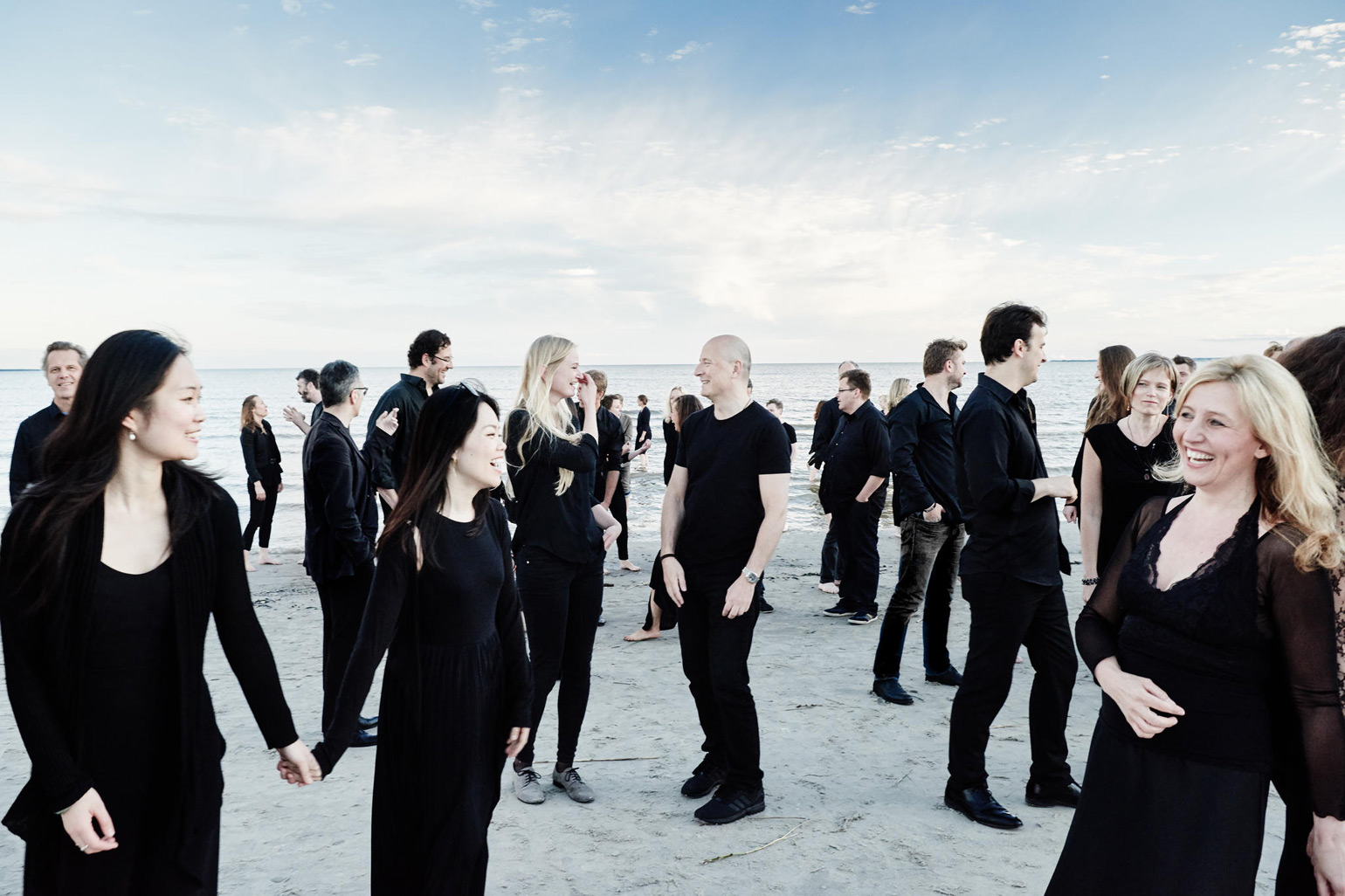
With the good news that the Pärnu Music Festival will go ahead with its 10th anniversary celebrations follows the even better news that 20 international members of the Estonian Festival Orchestra will be able to travel to Pärnu next month to be reunited with their Estonian colleagues for 8 days of sunny music-making on the Baltic coast and a focus on both young and established Estonian talent.

“When I sat down and started to think about how to re-programme this year’s festival given all the limitations that needed to be taken into account, I realized that it gave us an opportunity to celebrate just how far we have come in our first 10 years of summers in Pärnu” says Paavo Järvi. “At the beginning my goal was to nurture Estonian talent by bringing in as many international artists as possible, so that young Estonian musicians would have the chance to play with top colleagues from around the world and develop their musical careers. Now I realise that our goal has actually been achieved and we have top class Estonian talent welcoming back their colleagues, for genuine musical reunions.”

This year’s programme presents three Estonian soloists – Kalle and Kristjan Randalu (piano), Triin Ruubel (violin) and Theodor Sink (cello) who perform in addition to guest international soloists Olli Mustonen (piano), Alena Baeva (violin) and Stefan Dohr (horn).

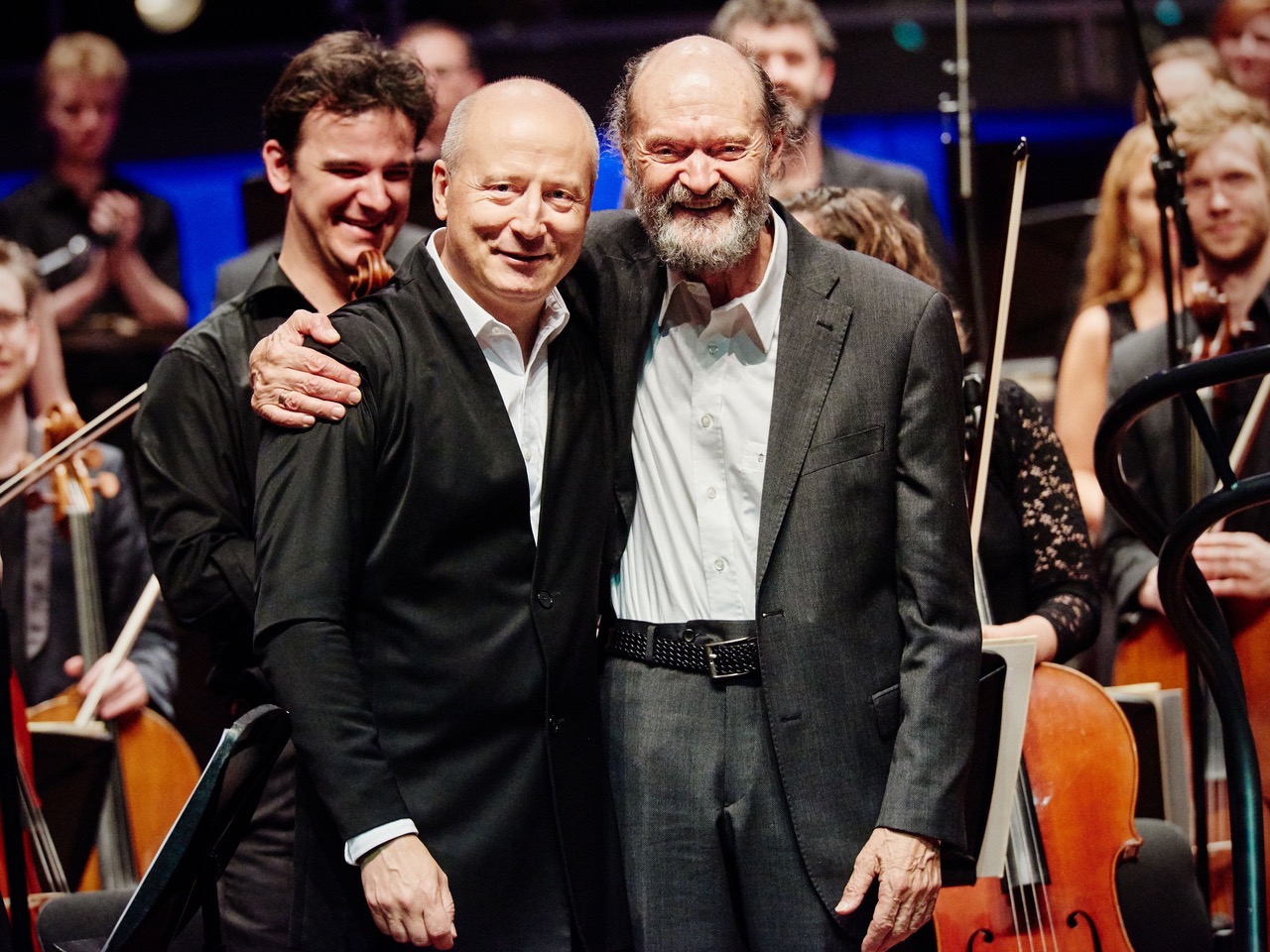
Featured composers Arvo Pärt, Erkki-Sven Tüür, Jüri Reinvere, and Tõnu Kõrvits all have strong links with the Festival. Arvo Pärt has visited Pärnu regularly for performances of his works; three of Erkki-Sven Tüür’s compositions were the focus of the Estonian Festival Orchestra’s latest CD, Mythos; Jüri Reinvere’s orchestral work And Tired from Happiness .. they started to Dance and Concerto for two Flutes were both premiered at the festival; and Tõnu Kõrvits was presented with the Lepo Sumera Award on the last night of the festival in 2018.

All of the main 8 events of this year’s Pärnu Music Festival will be performed with reduced audience and streamed live on the festival website. The Järvi Academy masterclasses will also be streamed live so that young conductors who are unable to travel can still participate.
The Pärnu Music Festival Programme

VOTE NOW FOR THE NHK SYMPHONY ORCHESTRA’S NOMINATION AS GRAMOPHONE’S “ORCHESTRA OF THE YEAR”

The NHK Symphony Orchestra has been nominated for Orchestra of the Year Award by the prestigious Gramophone Magazine. It is the only award decided on by public vote so now is the time to cast your vote for Paavo Järvi and the elite Tokyo ensemble.

Voting opens at noon on Friday, June 12 and remains live until 8am (London time) on Monday, September 7. Votes can be cast on Gramophone’s website – www.gramophone.co.uk/awards. The Orchestra of the Year will be revealed on October 6 at the 2020 Gramophone Classical Music Awards.

James Jolly, Editor-in-Chief of Gramophone says ‘This is not a poll to find the “best orchestra in the world”, but rather to shine the spotlight on an orchestra that consistently offers high- quality music-making that is exciting, moving and which demonstrates what a fine ensemble working at the peak of its powers can achieve. Many of these orchestras also highlight the indefinable and unique magic that happens between an inspiring conductor and his or her players. And with the majority of orchestras now silent, we hope this will focus attention on one of the glories of music-making on a grand scale. Just listen and be impressed!’

Gramophone has created 11 Apple Music playlists – one for each ensemble, as well as a dynamic playlist that will be updated throughout the summer, exclusively available to listen to on Apple Music. Listen HERE. To support the voting process, Gramophone will be hosting an Orchestra of the Year Online Festival for 10 days from July 24 featuring 10 filmed evening concerts from each of the nominated ensembles in a programme that reflects its individual style and character.

PAAVO JÄRVI AND THE TONHALLE-ORCHESTER ZÜRICH BACK IN CONCERT TOGETHER THIS JUNE

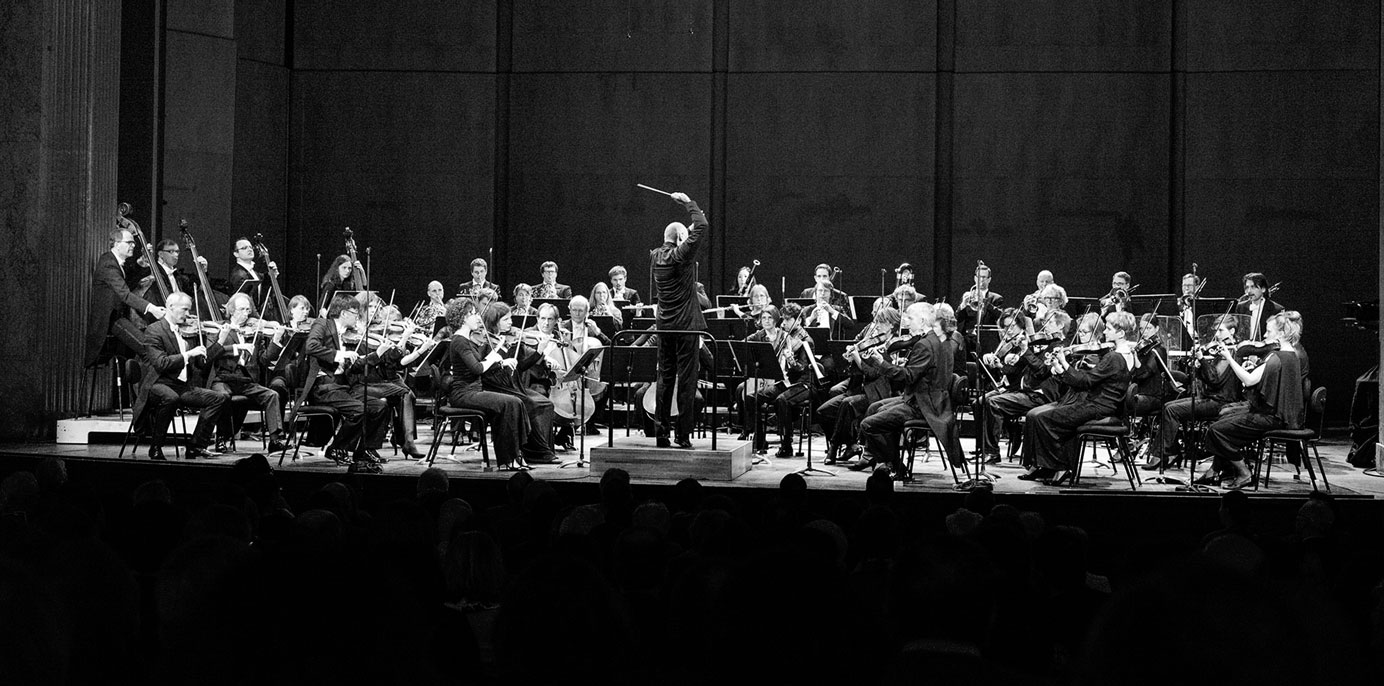
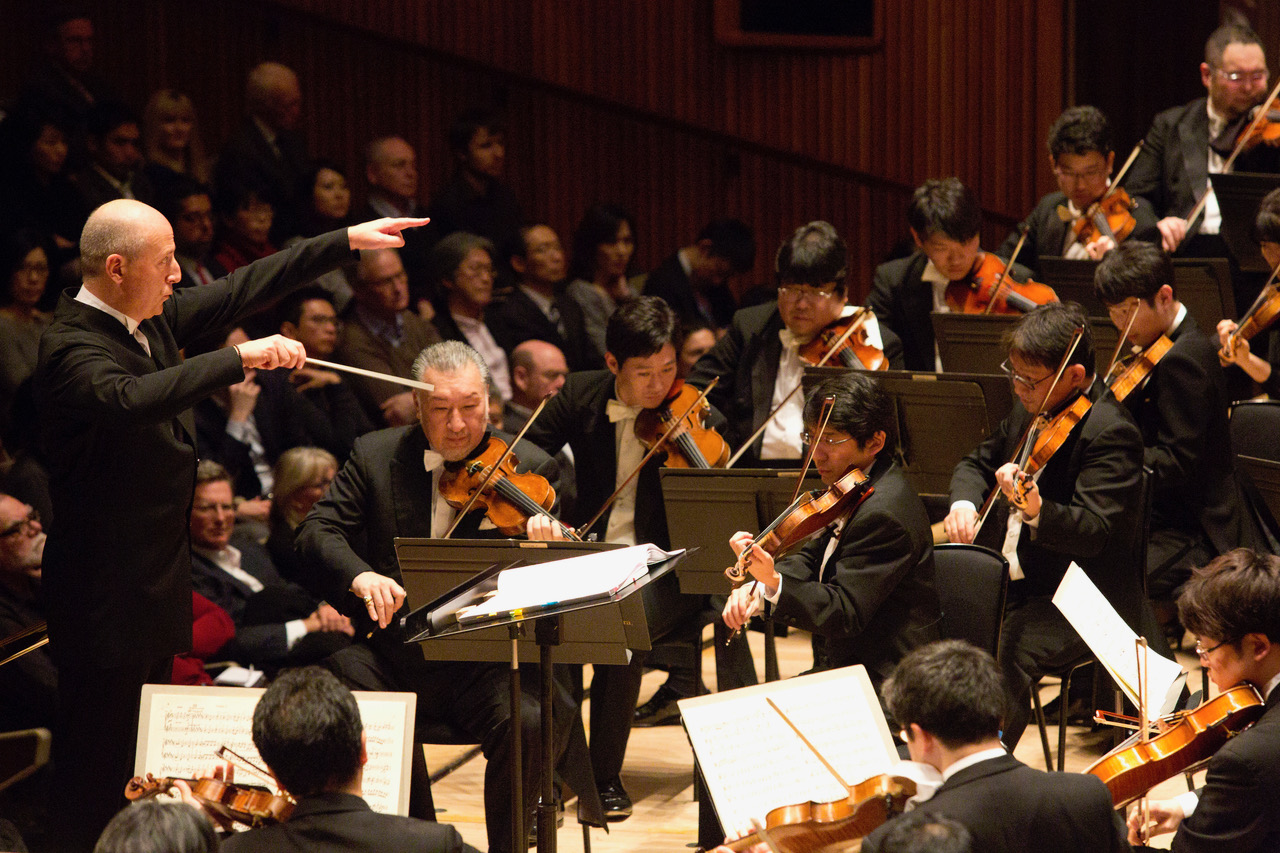
Paavo Järvi returns to Switzerland this month to conduct the Tonhalle-Orchester Zürich in four programmes spread over twelve short concerts on the stage of the Tonhalle Maag.

Following government regulations, the orchestra will perform as an ensemble of between 30 and 40 musicians and the audience will be limited to 240 per concert. The programmes on 25 and 26 June will be filmed for later streaming on the orchestra’s website.

“These concerts will be a special experience for all of us,” says Paavo Järvi, “I can’t tell you how thrilled I am to be able to come back to Zurich and start making music with our wonderful Orchestra!”

19 June at 12:15, 18:30 and 20:30
Sibelius: «Rakastava» (The Lover), Op.14 for strings, percussion and triangle
Dvořák: Serenade for Strings in E major, Op.22

20 June at 12:15, 18:30 and 20:30
Richard Strauss: Serenade in E-flat major for Wind Ensemble, Op.7
Dvořák: Serenade in D minor for Wind Instruments, Op.44

25 June at 12:15, 18:30 and 20:30
Dukas: Fanfare for «La Péri»
Stravinsky: Concerto in E-flat major “Dumbarton Oaks”
Richard Strauss: «Le bourgeois gentilhomme» Orchestral Suite, Op.6

26 June at 18:30 and 20:30
Lutosławski: «Musique funèbre» für String Orchestra
Honegger: Symphony No.2

Advance tickets sales begin on June 10th at 11:00 a.m.:
Tickets are available at a unit price of CHF 45.

More details to be found at www.tonhalle-orchester.ch

THE PÄRNU MUSIC FESTIVAL GOES AHEAD THIS SUMMER FROM 16 – 23 JULY

This year’s Pärnu Music Festival will be going ahead as planned from 16 – 23 July with a re-imagined programme, a focus on both young and established Estonian talent, a celebration of Estonian composer Lepo Sumera and the world premiere of a new work by Tõnu Kõrvits

“I am ecstatic that we will be able to celebrate the 10th anniversary of our festival in Pärnu” says Paavo Järvi. “Even though the musical celebrations will be smaller than originally planned, the spirit of Pärnu will compensate one hundred fold and I cannot wait to return to one of my favourite places to be reunited with so many friends on stage.”

Complete details of the new programme will be made public shortly but in the meantime the festival has announced that a full week of concerts will take place, live streamed on the festival website and with an audience of approx. 300 for each concert. The master-classes will also be streamed live so that young conductors who are unable to travel to Estonia can still participate.

Read more on the Pärnu Music Festival’s homepage

BREMEN BEETHOVEN SYMPHONIES NOW AVAILABLE ONLINE TO WATCH

Paavo Järvi and The Deutsche Kammerphilharmonie Bremen’s Beethoven cycle (Symphonies Nos 3-9) can now be experienced as filmed concerts. ›Klassik Cloud‹ presents a different Beethoven symphony every two days up until 8 June, all of which can be viewed for free on the orchestra’s website: www.kammerphilharmonie.com

‘The worldwide success of The Deutsche Kammerphilharmonie Bremen is inextricably linked to its revolutionary Beethoven interpretations. With the cycle, the orchestra under the direction of chief conductor Paavo Järvi, set standards worldwide and has been causing a sensation and enthusiastic reviews ever since. Bremen’s Beethoven was by far the best in a Japanese music magazine’s ranking of all recordings ever recorded. The jury’s reasoning for the renowned Rheingau Music Prize awarded in 2019 stated, among other things, that the orchestra had “written history with their interpretation”. The weekly newspaper Die Zeit also recommended the Bremen Beethoven cycle earlier this year, ranking its recordings as among the five most important.’

Schedule:
25-27 May: Symphony No.3 ›Eroica‹
27–29 May: Symphony No.4
29–31: May Symphony No.5
31 May–02 June: Symphony No.6 ›Pastorale‹
02–04 June: Symphony No.7
04–06 June: Symphony No.8
06–08 June: Symphony No.9

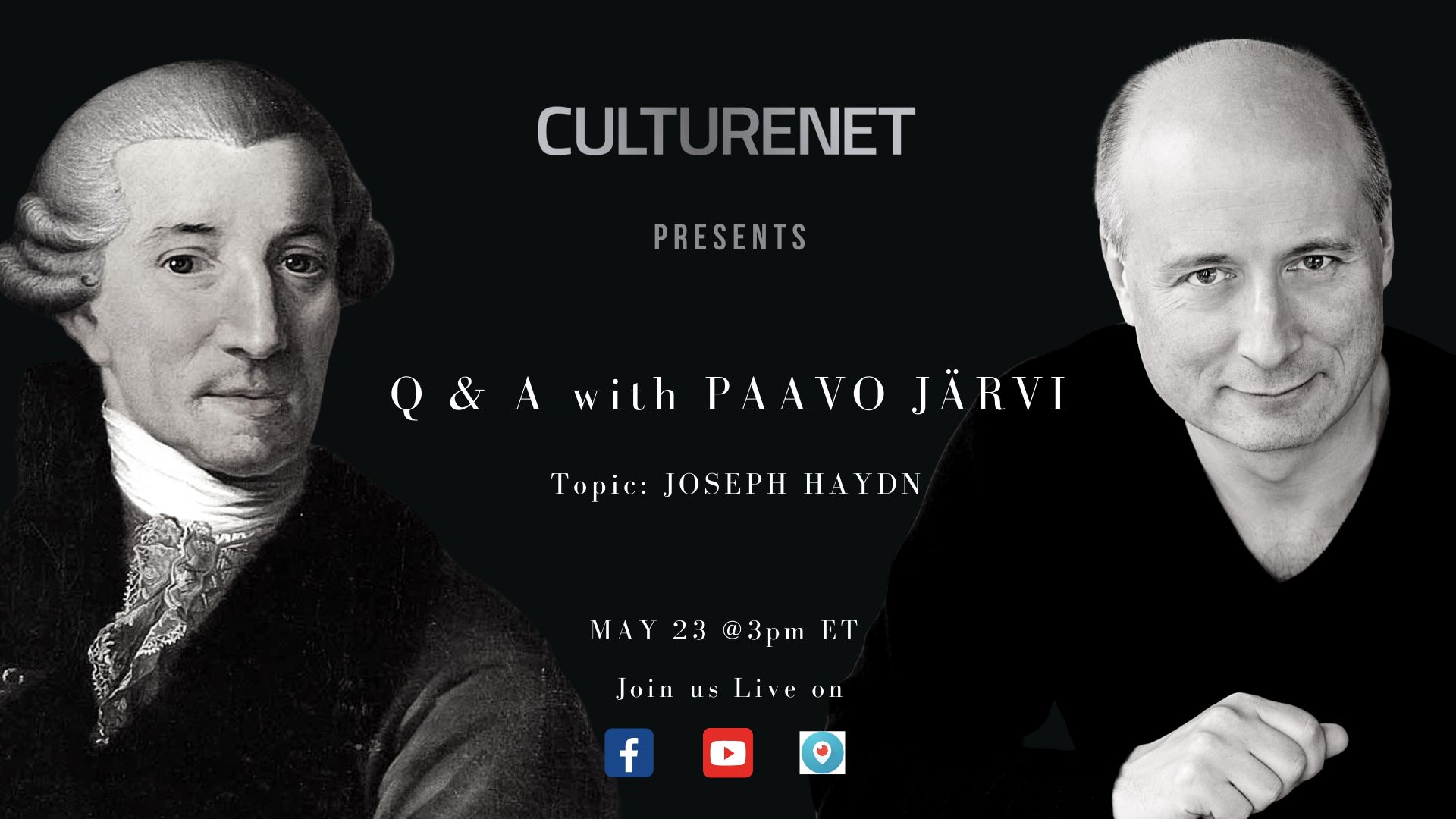
PAAVO JÄRVI CONTINUES HIS LIVE Q&A SERIES ON SATURDAY 23 MAY WITH A FOCUS ON HAYDN

In an article which appeared shortly after the UK went into lockdown, The Telegraph’s Ivan Hewett wrote: “Who is the classical composer who can best help us through this crisis? Step forward, Joseph Haydn. In the two centuries since his death, Haydn has more often been belittled than praised. Wagner thought he was born senile, John Keats said Haydn was basically a child because “you never know what he will do next”. For most people, he’s an also-ran to Mozart, sharing the same language, without the erotic passion. But now is the time when Hayden’s special qualities come into their own … “

Paavo Järvi couldn’t agree more. His latest project with The Deutsche Kammerphilharmonie has enabled him to dig deep into Haydn’s London symphonies and the revelations of this immersive project have given him much food for thought.

Join Paavo Järvi live on the virtual arts education platform, CultureNet for a discussion in re-evaluating the music of Joseph Haydn: Saturday 23 May at 3pm EDT (8pm London time / 9pm Berlin time). All Q&As can also be viewed on Paavo Järvi’s YouTube Channel.

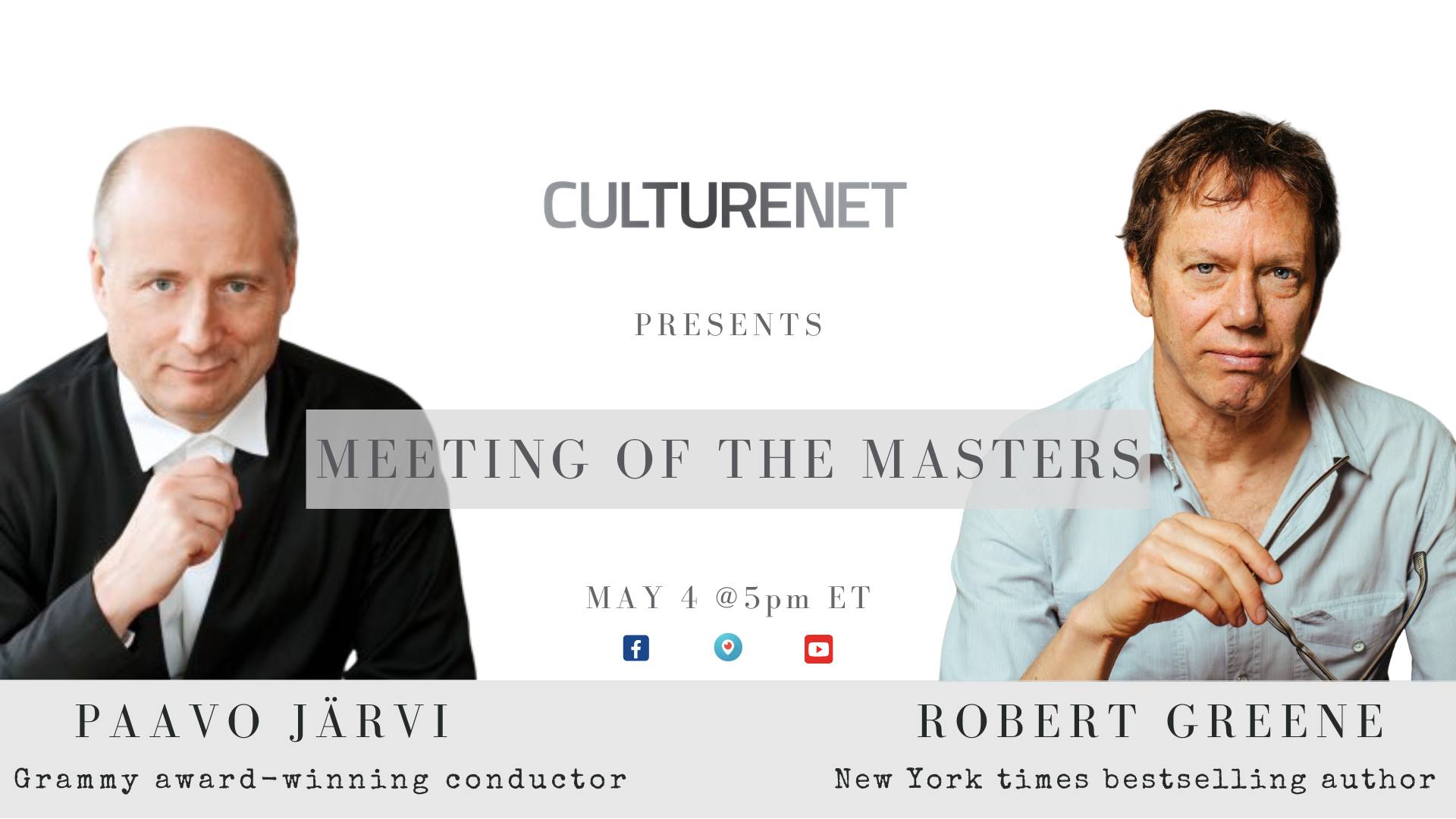
MEETING OF THE MASTERS ONLINE – 4 MAY

On May 4th Paavo Järvi continues what has now become weekly online masterclasses during lockdown and is this time joined by Robert Green – the bestselling author of books like the 4″8 Laws of Power”, “ Mastery”, and “The Laws of Human Nature”. The event will be streamed live on Facebook, Youtube and twitter. Topics will include keys to leadership, what they’ve learned about success and overcoming failure, appreciating the classics, and more. Join the conversation by tuning in to comment and ask questions on Monday at 5pm New York time (10pm London time, 11pm Berlin time).

“THE BRAHMS CODE” RECEIVES NEW YORK FESTIVALS TV & FILM AWARDS 2020

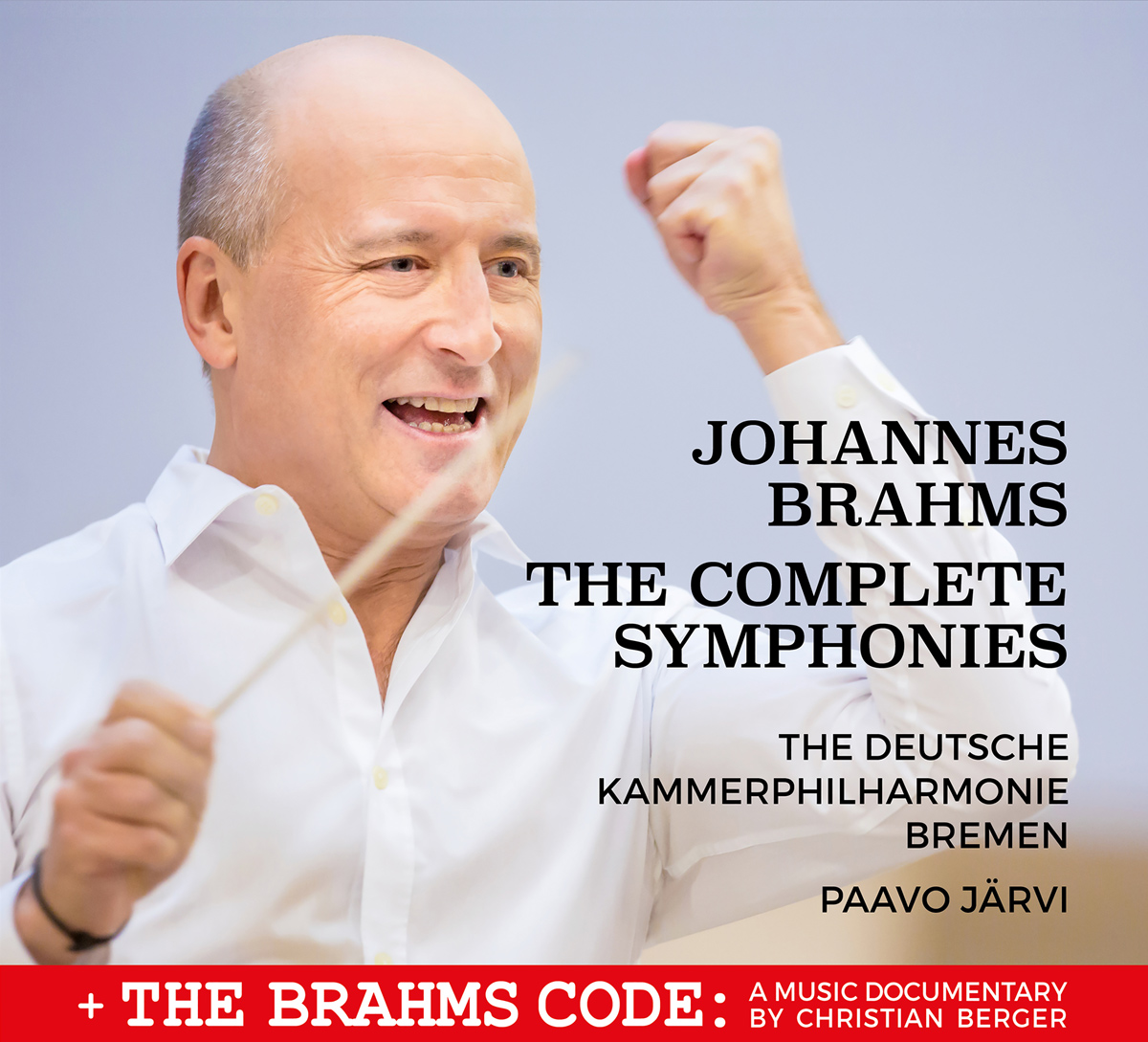
“The Brahms Code”, a documentary film about The Deutsche Kammerphilharmonie Bremen and Paavo Järvi’s latest project dedicated to the music of Johannes Brahms, has been presented with the Silver Award by the New York Festivals TV & Film Awards in the documentary / music category. The jury, comprising experts from around the world chose ›The Brahms Code‹ out of submissions from over 50 countries. The TV documentary released in Autumn 2019 is a co-production between Deutsche Welle and Unitel.

Director, Christian Berger, accompanied The Deutsche Kammerphilharmonie and Paavo Järvi for their third project together, creating an insightful portrait of the musicians’ intension collaboration and interspersing interviews with musical highlights, to illustrate the work of this musical “dream team” (NDR Kultur). Previous projects include ›The Beethoven Project‹ (2010) and ›Schumann at Pier2‹ (2012)

Paavo Järvi and The Deutsche Kammerphilharmonie Bremen’s goal has been to make Brahms’ symphonies appear alive and relevant to today’s audience. Complete Brahms cycles have been performed in Tokyo, Vienna, St. Petersburg, at the Rheingau Music Festival and at the Festival de Lanaudière (Canada). Another cycle was presented in Spring 2018 at the Théatre des Champs Elysées in Paris. Meanwhile, the symphonies have all been released on CD and “The Brahms Code”, was released on DVD in Autumn 2019. A highlight of the entire project was the special performance of Brahms’ Requiem in Bremen Cathedral in 2018, now also available on DVD (C major).

Available on DVD and/or BluRay from:
prestomusic.com
jpc.de
amazon.com
hmv.co.jp

PAAVO JÄRVI’S THIRD Q&A TAKES PLACE SATURDAY 25TH APRIL WITH A FOCUS ON SIBELIUS

Join Paavo Järvi for a Facebook Live Q&A on Saturday 25 April at 3pm EDT (9pm CET). Hosted by virtual arts education platform, Culturenet, this is the third in the start of a new series of Q&As with Paavo Järvi which will also feature on his YouTube channel.

Since his professional debut in 1985 when he conducted Sibelius’ First Symphony, Paavo Järvi has continuously performed and promoted the Finnish composer’s works throughout the world. In 2003 he won a Grammy Award for his recording of Sibelius Cantatas and in 2019 Sony Classical released the complete symphony cycle which Järvi recorded with the Orchestre de Paris during his tenure as Music Director. For his role in promoting Sibelius’ music to a wider public, the Sibelius Academy awarded Paavo Järvi the prestigious Sibelius Medal in 2015.

“For an Estonian conductor, performing and recording the Sibelius symphony cycle is a very important project for many reasons” commented Paavo Järvi. “ Firstly because we “Northerners” still have a mission of making Sibelius more familiar to music lovers and orchestras around the world; secondly, as an Estonian there is a certain sense of “ownership” and “belonging” to this music. Finland and Estonia have always been very close to one another – not just geographically but also culturally – Sibelius means just as much to Estonians as he means to Finns; and most importantly, because I absolutely love these symphonies.“

Watch Paavo Järvi’s performances of Sibelius symphonies with the Orchestre de Paris (Nos. 1 & 2), Estonian Festival Orchestra (No. 2) and Berlin Philharmonic (No. 5) on YouTube and join him for the live Q&A this Saturday.

JOIN PAAVO JÄRVI LIVE FOR A SECOND Q&A THIS SATURDAY AND ASK YOUR QUESTIONS ABOUT BRAHMS

Paavo Järvi is inviting young conductors around the world to join him for a Facebook Live Q&A – this time with a focus mostly on Brahms – on Saturday 11 April at 3pm EDT (9pm CET). Hosted by virtual arts education platform, Culturenet, this is the second in the start of a new series of Q&As with Paavo Järvi which will also feature on his YouTube channel.

Introducing this weekend’s Q&A Paavo Järvi commented: “I would like to take the opportunity of the current lockdown to give personal guidance to young conductors on any burning questions they might have about performing Brahms in particular. I’ve chosen Brahms as a starting point for this weekend’s Q&A for two reasons …”

“Firstly, this Easter weekend there will be a 48 hour screening of our performance of The Brahms Requiem on the The Deutsche Kammerphilharmonie Bremen’s website. This was a special concert, filmed on the occasion of the 150th anniversary of the Requiem’s world premiere, conducted by Brahms himself in the Bremen Cathedral on Good Friday in 1868. Despite the fact that Brahms called his work a Requiem, he never meant it as primarily a mass for the dead. Instead it is intended as a comfort for those who mourn, a mass for the living to help them back on the path to new hope. It is a work full of spiritual optimism that feels particularly relevant for the times that we live in.”

“Secondly Brahms reminds me of an experience I had as a student in LA which I think is also relevant to all conductors no matter age or experience. Sitting in the car on the way to a dinner party with my brother, we were listening to Brahms Symphony no.3, not knowing who was conducting. It was one of the most unusual, exaggerated, self-indulgent and emotional interpretations I had ever heard, yet totally captivating and impossible to switch off. We arrived at the restaurant very late and sat for another 20 minutes in the car, parked in front. We had to find out who it was, who had dared to take so many liberties and had re-imagined this Brahms symphony from what we used to know. At the end the announcer said that it was Bernstein with the Vienna Philharmonic. The reason why it was so important, was because it gave me courage as a young musician to dare to follow my intuition and not be “intimidated” by legendary interpretations from the past. In that way this recording remains very important for me. Now with a little time on my hands, I want to listen to it again and see if time has changed my perception.”